
When the Safety Net Snaps, Local Communities Feed Those in the Gaps
Source: MSN
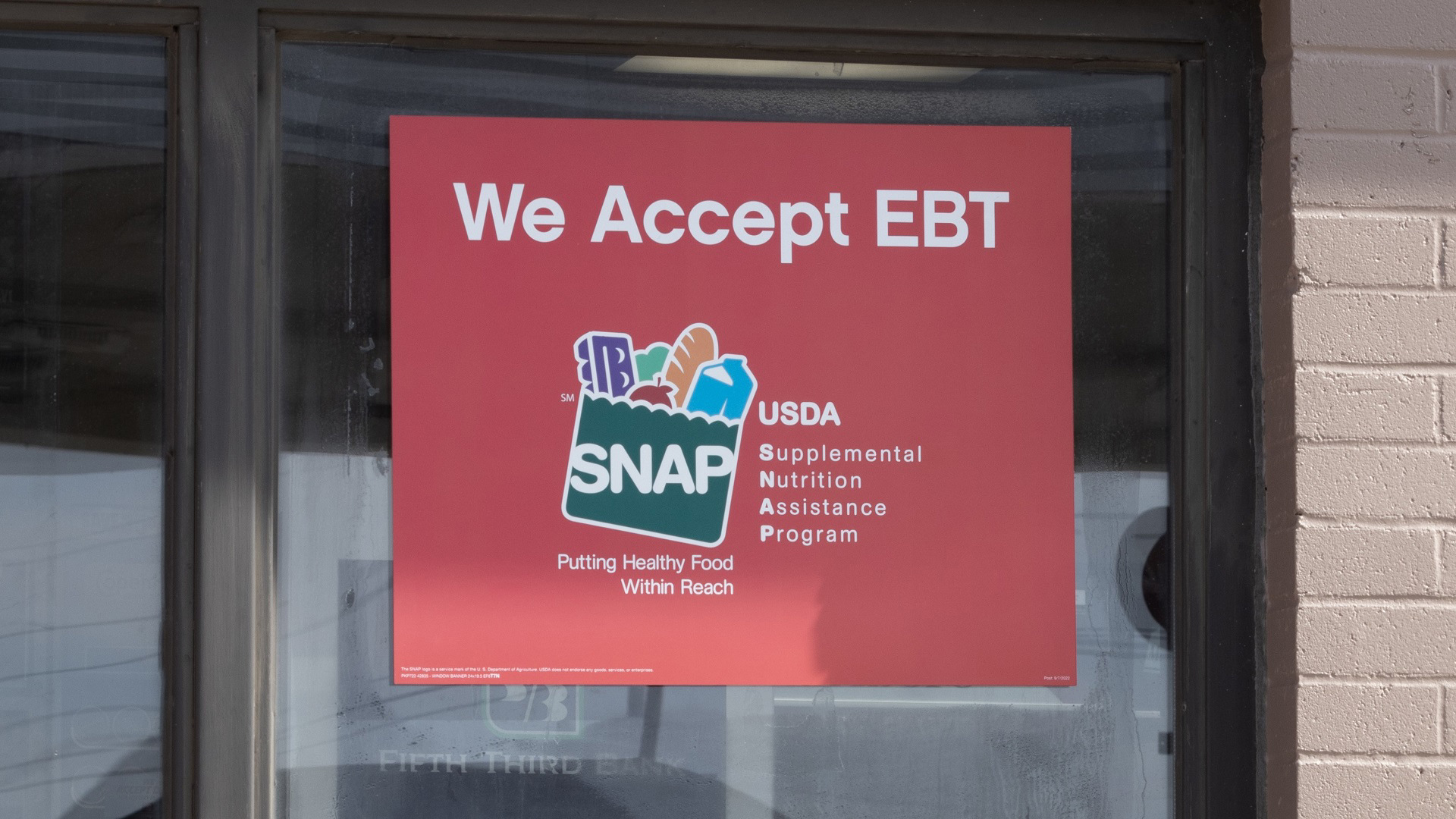
As the Supplemental Nutrition Assistance Program (SNAP) benefits are being withheld during the government shutdown, community members are stepping in with meals. One such community is in Palm Beach County, Florida, where approximately 10% of the households rely on SNAP.
The Subculture Group, a local restaurant collective, and its owner, Rodney Mayo, announced several of the group’s restaurants, including Howley’s, Dada, Hullabaloo, and all Subculture Coffee locations, would be offering free daily meals to SNAP recipients impacted by the shutdown. The initiative was launched in early November 2025 and is coordinated through a dedicated site, www.subculturesnap.org.
This isn’t Mayo’s first time stepping into crisis response mode as it relates to feeding the public. During the COVID-19 pandemic, his restaurants served thousands of meals to unemployed workers. But this time, the need is broader and the uncertainty much deeper. “We don’t know how many people will show up,” he told WPBF, “but we’re ready to serve as many as we can.”
In Raleigh, North Carolina, A Place at the Table, a “pay-what-you-can” café, has seen an uptick in patrons since the shutdown started. The cafe has long operated on a sliding scale, allowing customers to pay full price, reduced price, or nothing. Now, with SNAP benefits suspended, that kind of flexibility has become life-saving. “Some people come in and just need a warm meal,” a staff member told WRAL. “We’re seeing more of that.”
A Brief History of Food Stamps (SNAP)
The Supplemental Nutrition Assistance Program (SNAP), originally known as the Food Stamp Program, has its roots in the late 1930s. The first pilot program launched in 1939, allowing low-income Americans to purchase surplus agricultural products. After lapsing during World War II, the program was revived in the 1960s under President John F. Kennedy, who introduced pilot projects to determine its effectiveness.
Lyndon B. Johnson signing the Food Stamp Act in 1964.

Source: Wikipedia
In 1964, President Lyndon B. Johnson signed the Food Stamp Act, making the program permanent as part of his commitment to the “War on Poverty.” Over the following decades, SNAP expanded, underwent reforms to reduce and prevent fraud, and shifted from paper coupons to the Electronic Benefit Transfer system, also known as EBT cards, in the late 1990s. Today, SNAP continues to be the largest federal nutrition assistance program, serving tens of millions of Americans each month.
November 2025 SNAP Benefits in Jeopardy

Source: Axios
The shutdown, now entering into its sixth week, has frozen the disbursements of SNAP benefits for November. The USDA confirmed benefits wouldn’t be distributed on the first of the month, claiming a lack of funding and legal authority to continue payments during the lapse in appropriations. “The well has run dry,” a USDA spokesperson told USA Today.
Additionally, The USDA, under the Trump administration, warned retailers that offering discounts or free food exclusively to SNAP recipients violates the program’s Equal Treatment Rule.
While waivers can be granted, the agency’s guidance has been rather inconsistent. A Snopes investigation confirmed the USDA sent notices to retailers warning against targeted discounts, even as millions of Americans faced food insecurity.
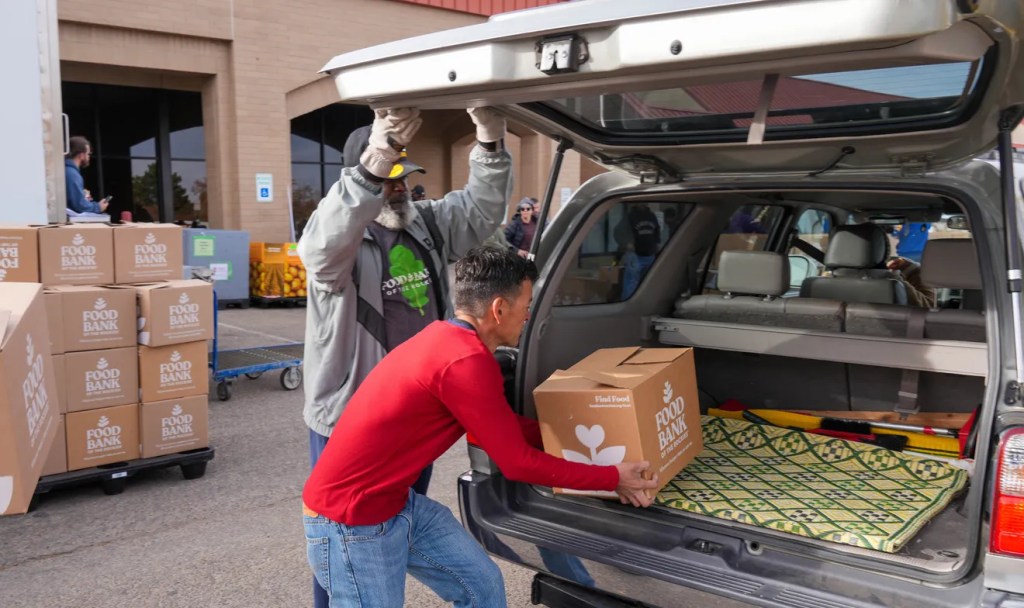
Despite this, some communities are working hard to find workarounds. In Palm Springs, California, a Facebook group called “Gay Men of Palm Springs” launched a food drive to support residents affected by CalFresh delays, California’s version of SNAP.
According to USA Today, the drive grew into a coordinated effort with a local LGBTQIA+ center’s food bank. A participating restaurant now serves as a drop-off point for donations, turning a social media post into a larger response to hunger.
Source: Palm Beach Post
It’s worth noting that these efforts, while needed, are only stopgaps not permanent solutions. They’re being organized by people who understand hunger can’t wait for legislative compromise. The shutdown has exposed the fragility of a system that feeds over 42 million Americans each month and revealed the limits of federal reach and the capacity of local actors to fill the void temporarily.
About The Author

Matthew DiGiandomenico
Matt worked for over a decade in the mental health field, committed to helping others through complex challenges. As a writer, he is driven by that same commitment to help others through
writing on topics including mental health and open adoption.
Matt holds a Master’s Degree in Psychology from Fairleigh Dickinson University and an Advanced Professional Writing Certificate from the University of Pennsylvania. He lives in Philadelphia with his husband and 2 young kids.




reader's monthly pick


subscribe to newsletter
Sign up for The DivsFeed newsletter to get heartwarming stories in your inbox every month.