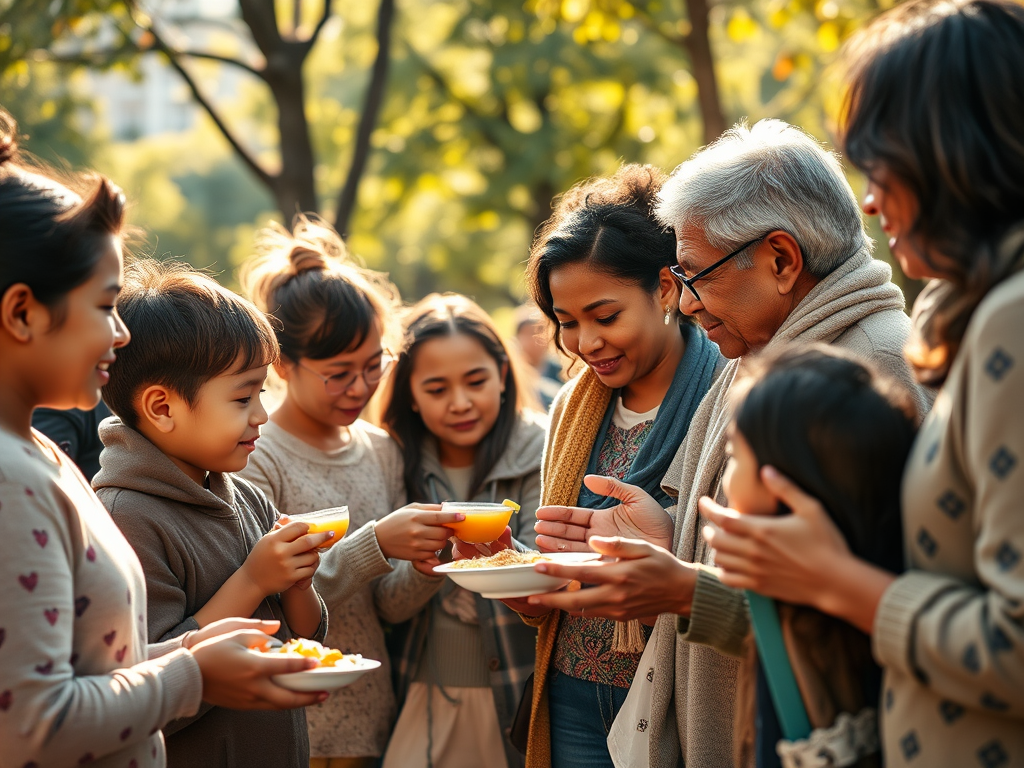
How Schools Are Becoming Safe: An Inclusive Space Where Every Child Belongs
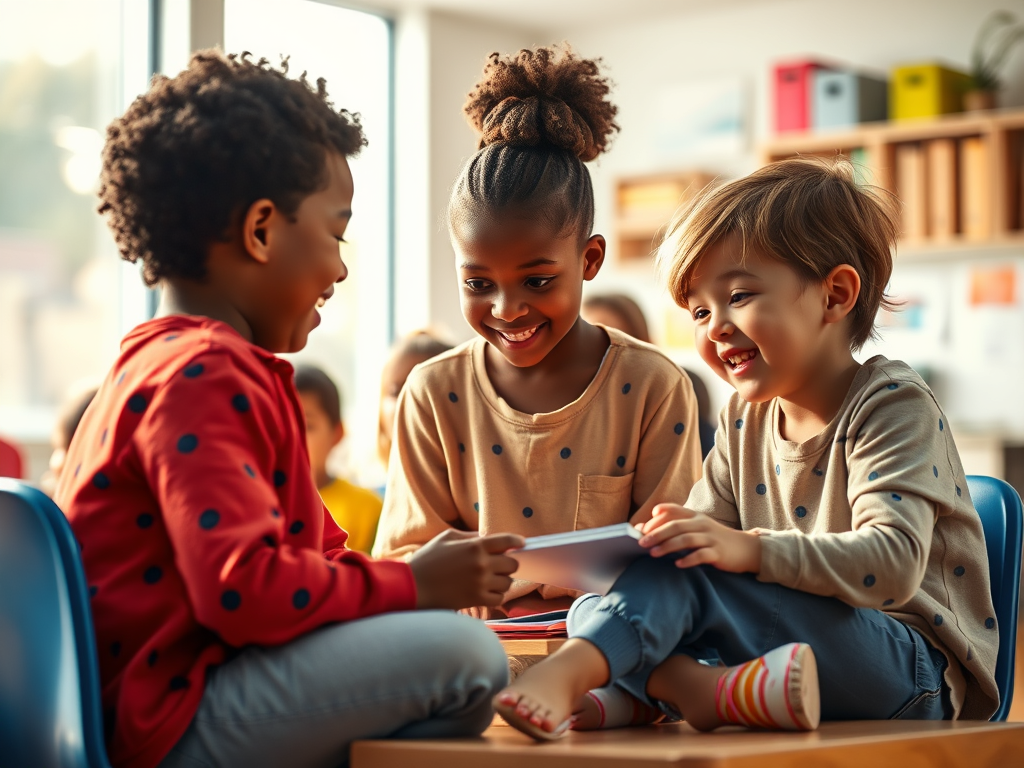
Education in 2025 is experiencing a transformation that feels gentle yet powerful.
Around the world, schools are moving to embrace approaches that prioritize emotional safety, empathy, belonging and the overall well-being of every child.
Parents and teachers are beginning to understand something simple but life-changing where children learn best when they feel safe, understood and accepted.
This major shift will not only shape them in classrooms but also prepare them while shaping their future.
The Evolution of School Culture
For decades, school systems heavily prioritized grades, rankings and performance.
But educators are now recognizing the truth: a child’s emotional world directly affects their ability to learn.
From numbers to humans
For decades, school systems heavily prioritized grades, rankings and performance.
Children were often treated as numbers in a system, not humans with emotions, stories, and unique needs.
But educators are now recognizing the truth: a child’s emotional world directly affects their ability to learn.
This shift echoes a growing global call for schools to be safe, inclusive and welcoming places for all learners, as described by UNESCO.
The Rise of Holistic Education
Holistic education is an approach to learning that focuses on developing the whole child.
This way the child feels seen, understood and most importantly, it eliminates fear.
Developing the whole child
Holistic education is an approach to learning that focuses on developing the whole child.
This approach masters the child’s mind, emotions, creativity and social skills and not just their academics.
Holistic education values:
• Emotional safety
• Social connection
• Inclusivity and belonging
• Creativity and exploration
This way the child feels seen, understood and most importantly, it eliminates fear.
Creating Classrooms Where Every Child Feels Seen
One of the most comforting experiences for a child is knowing that their emotions matter.
When children feel safe expressing themselves, something beautiful happens.
Emotional safety builds confidence
One of the most comforting experiences for a child is knowing that their emotions matter.
Teachers today are being trained to recognize emotional cues, respond with empathy and create classrooms where feelings aren’t dismissed but are acknowledged.
Emotional safety builds confidence in children.
When children feel safe expressing themselves, something beautiful happens.
They:
• Participate more
• Ask questions openly
• Build resilience
• Trust their abilities
• Develop strong self-confidence
A child grounded in emotional safety can learn, grow and thrive and it’s not because they’re pushed, but because they feel supported.
In classrooms where empathy is practiced daily, children often feel safe enough to be fully themselves.
Inclusivity, Differences, and Belonging
Classrooms today are becoming mirrors of the world that’s culturally rich, diverse, and beautifully unique.
More schools are stepping up to make sure every child knows that they belong there no matter the differences.
Celebrating differences
Classrooms today are becoming mirrors of the world that’s culturally rich, diverse, and beautifully unique.
Schools are intentionally including representation in books, lessons, decorations and activities.
Children now see heroes who look like them, talk like them and come from places they recognize.
Children need spaces where they feel accepted, respected, protected and valued.
More schools are stepping up to make sure every child knows that they belong there no matter the differences.
Inclusivity in schools helps children with the following:
• Reduce bullying
• Build empathy
• Develop healthy social skills
• Strengthen community
• Improve learning outcomes
For more on how belonging and school climate connect to bullying prevention, see APA guidance for K–12 educators.
Teaching That Feels Human
The role of the teacher is expanding into something more meaningful.
Modern teachers are leaning toward approaches rooted in kindness and understanding.
A new model of teaching
The role of the teacher is expanding into something more meaningful.
Today, teachers are not only educators but they are also mentors, emotional guides and safe adults who anchor students through their school experience.
Modern teachers are leaning toward approaches rooted in kindness and understanding such as:
• Active listening
• Compassionate communication
• Gentle guidance
• Encouraging self-expression
When teachers lead with kindness, students often learn that being human is welcome in the room.
Social-Emotional Learning (SEL) Is Now Essential
Social-emotional learning is becoming just as important as math or science.
When children understand their emotions and those of others, classrooms become calmer, friendships become stronger and conflicts become easier to navigate.
The importance of social-emotional learning
Social-emotional learning is becoming just as important as math or science.
SEL helps children develop emotional intelligence, a skill they will use for the rest of their lives.
SEL teaches children to:
• Understand their feelings
• Show empathy
• Resolve conflicts peacefully
• Collaborate with others
• Build self-awareness
Teachers integrate SEL in different ways.
Some of them include:
• Morning check-ins
• Journaling
• Mindfulness or breathing exercises
• Group activities
• Open conversations
When children understand their emotions and those of others, classrooms become calmer, friendships become stronger and conflicts become easier to navigate.
For a clear definition and overview of SEL, see CASEL’s fundamentals of SEL.
Mindfulness and Emotional Regulation
Mindfulness is becoming a gentle daily ritual in many schools.
Mindfulness helps students build emotional self-control and find calm within themselves.
Learning to pause and breathe
Mindfulness is becoming a gentle daily ritual in many schools.
Children are learning how to pause, breathe and find calm within themselves.
Mindfulness helps students with the following:
• Improve focus
• Reduce anxiety
• Build emotional self-control
• Strengthen empathy
Research and school-based practices often connect mindfulness to student well-being, including in resources like Harvard Health.
Making Learning Environments Physically Safe and Warm
Let’s all agree that a sense of belonging starts with the environment.
The goal is to make classrooms feel less like institutions and more like welcoming communities.
Spaces that quietly say “you belong”
Let’s all agree that a sense of belonging starts with the environment.
Schools are redesigning learning spaces to feel more nurturing.
The goal is to make classrooms feel less like institutions and more like welcoming communities.
Children are now learning in spaces with:
• Soft seating areas
• Quiet corners
• Warm colors
• Plants and natural elements
• Creative group spaces
These things send a little message to the child that he/she is safe no matter what and belong there.
Parents and Teachers Working Together
Parents and educators are collaborating more than ever.
When children see adults working together, they feel secure and that security becomes the foundation for confidence and resilience.
Consistent emotional care at school and at home
Parents and educators are collaborating more than ever!
With shared communication and mutual support, children receive consistent emotional care both at school and at home.
Both sides are prioritizing:
• Respect
• Kindness
• Emotional well-being
• Patience
• Open dialogue
When children see adults working together, they feel secure and that security becomes the foundation for confidence and resilience.
Redefining What Success Means
Success in 2025 looks nothing like the old models.
A child who feels supported will always thrive more than a child who feels afraid to fail.
What schools are celebrating now
Success in 2025 looks nothing like the old models.
Instead of glorifying grades alone, schools are celebrating the qualities that shape good human beings.
Success now includes:
• Kindness
• Creativity
• Growth
• Cleanliness
• Teamwork
• Curiosity
• Emotional awareness
A child who feels supported will always thrive more than a child who feels afraid to fail.
In this kind of success, children learn that it’s okay to grow slowly, and it’s okay to forgive yourself when you’re still learning.
Conclusion
Schools in 2025 are blossoming into nurturing communities built on empathy, safety and inclusion.
Children now grow carrying power within them.
Where every child belongs
Schools in 2025 are blossoming into nurturing communities built on empathy, safety and inclusion.
By prioritizing emotional well-being and creating spaces where every child feels seen and valued, educators are shaping a generation that understands kindness, connection and compassion.
Children now grow carrying power within them.
When we give them these things, we create spaces for love and understanding.
About The Author

Salome Wangui
Salome Wangui is a committed Kenyan writer and fast rising SEO Copywriter known for her sharp understanding of digital content and for her clear voice. She crafts high quality articles and blog posts that combine creativity, strategy and purpose. She's self-driven and consistent in perfecting her craft. Salome brings professionalism, curiosity and a strong work ethic to every project she does. Currently, she is growing her writing portfolio across multiple niches because she believes in the power of writing to inspire growth, spark ideas and create long lasting impact.




reader's monthly pick


subscribe to newsletter
Sign up for The DivsFeed newsletter to get heartwarming stories in your inbox every month.