
Rest Isn’t Laziness: It’s Survival In 2026
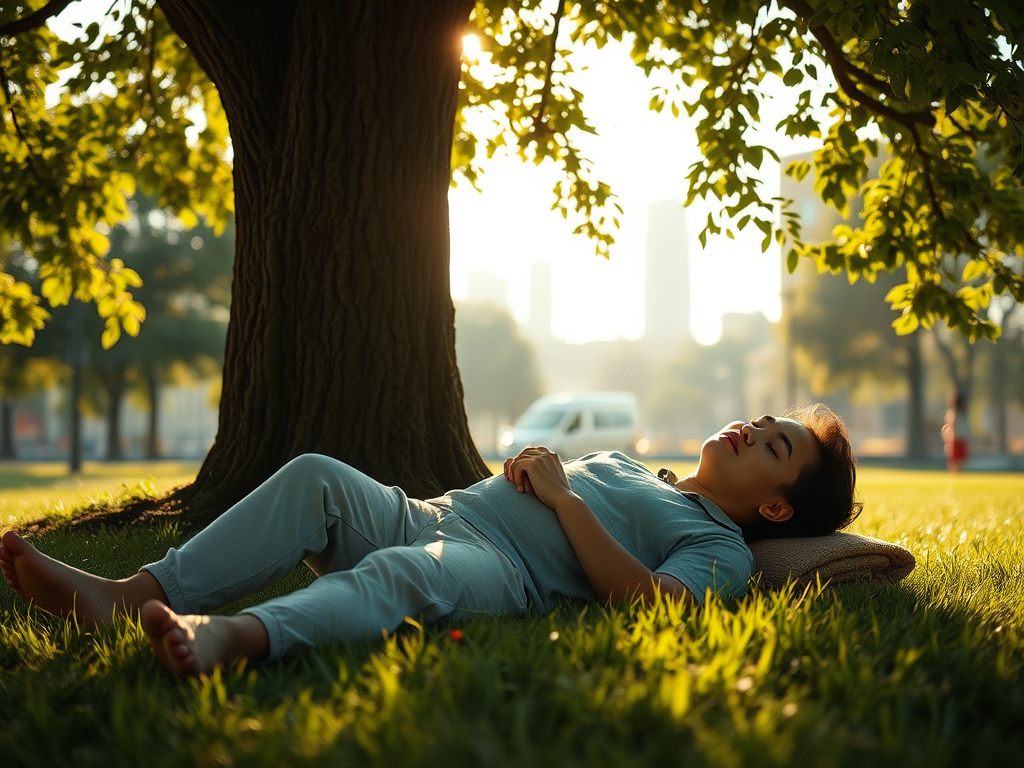
The Modern Life Cycle
Life is moving fast, and the pressure to always be “on” can feel like a burden that never lets up. In the middle of nonstop noise, rest is starting to be seen for what it is: survival.
When being “on” becomes too much
In 2025, life moves fast, maybe faster than it ever has before. Notifications buzz nonstop, calendars are packed weeks in advance and the pressure to always be “on” feels like a burden and nearly impossible to escape.
For many people, rest has long been misunderstood, labeled as laziness, failure, weakness or a lack of ambition.
But gradually, something is changing. Quietly, people are beginning to understand a deeper truth that rest is part of survival and not weakness.
After years of hustle culture, burnout and digital overwhelm, more individuals are going back to the art of slowing down. Rest isn’t just about taking a break from work, it’s about protecting one’s mental health, emotional health and physical well-being.
For someone to catch up with the busyness of this world, rest has to be a non-negotiable routine.
Rest as a Better Choice
Choosing rest can feel like stepping away from expectations and choosing you, even when the world rewards constant output. This shift is helping people unlearn the belief that productivity equals worth.
Choosing you in a culture that keeps demanding more
Choosing to rest in 2025 is an act of courage. It’s a decision to step back from noise, expectations, comparison and choosing you.
People are slowly unlearning the belief that productivity equals worth. Instead, they’re embracing a healthier mindset that honors balance, limits, well-being and humanity, including the boundaries that come with limits.
Rest is now known as self- love, growth, intentionality and choosing you, and even workplace conversations about burnout are increasingly emphasizing breaks and boundaries, as described by Reuters.
This shift is making a positive difference in so many ways. Some of these ways include:
- It reduces burnout and emotional exhaustion
- It improves mental clarity and decision-making
- It encourages growth
- It improves both physical and emotional health
- It boosts creativity and problem-solving
- It strengthens emotional resilience and self-awareness
Rest is no longer optional. It’s foundational to a life that feels sustainable rather than overwhelming.
Types of Rest
Rest is not one-size-fits-all, and different needs require different kinds of restoration. In a world that drains people in multiple ways, it makes sense that rest looks different for everyone.
Rest looks different for everyone
Rest is not one-size-fits-all. In 2025, people are recognizing that rest looks different for everyone and serves different needs at different times.
- Physical rest- sleeping, stretching, gentle movement or simply lying down
- Mental rest – journaling, meditation, quiet time or unplugging from screens
- Emotional rest – expressing feelings, having honest conversations or feeling emotionally safe
Each form of rest restores balance in its own way, helping people show up more fully, not just at work, but in relationships and everyday life at general.
For a deeper look at how rest can take many forms beyond sleep, The Guardian has explored the idea of multiple types of rest, and for practical support that can help you stay grounded, see The Mental Health Toolkit You Can Build Without Spending a Dime.
The Power of Intentional Pauses
Rest doesn’t always need to be a big escape to matter. Small pauses can create space to breathe, reset, and reconnect with yourself in a world that rarely gives permission to slow down.
Creating Space for Reflection
When people intentionally pause, they create room to breathe, reflect and reconnect with themselves.
Even the small moments matter, a short walk without a phone, catching up a sunrise while hearing birds chirping, a quiet cup of tea, or sitting in silence for a few minutes.
These pauses may seem insignificant, but they allow the nervous system to reset and the mind to slow down in a world that rarely gives permission to rest.
Pausing, Breathing and Healing
Research and mindfulness experts consistently show that intentional rest lowers stress hormones, improves focus and strengthens emotional regulation, and practices like breath-focused meditation are often discussed as a simple entry point, including by Harvard Health.
These pauses may be brief, but their impact can be profound and long-lasting.
Rest as a Tool for Creativity and Growth
When you step away from constant doing, the mind finally has room to wander and breathe. Rest is increasingly being seen as a strategy that makes space for clarity, creativity, and growth.
When the mind has space to wander
When we step away from constant doing, the subconscious mind finally has space to wander. Ideas surface naturally, clarity replaces mental clutter and creativity flows without force.
In 2025, rest is increasingly seen as a strategy and not a reward after exhaustion like before, but a catalyst for insight and growth.
Examples in Everyday Life
- Artists taking mindful retreats to reconnect with their creative voice
- Professionals scheduling “thinking days” instead of endless meetings
- Parents carving out moments of calm in the middle of busy routines
Rest is no longer a break from life. It’s an active ingredient in living well.
The Social Shift toward Rest
Rest is becoming more normalized, not just privately but socially, as more people embrace slow living. When communities make room for calm, they send the message that slowing down is wisdom.
When society starts to reflect the change
We have seen how communities are embracing the new slow living. Society itself is beginning to reflect this shift. Rest is being normalized and celebrated as a necessary part of being human.
- Co-working spaces now include quiet zones
- Schools introduce mindfulness and emotional check-ins
- Cities invest in green spaces designed for calm and reflection
These changes send a powerful message: slowing down is not failure, its wisdom.
Rest as an Act of Self-Compassion
Rest is not just recovery, it is self-respect, and it teaches you to honor your limits. When one person slows down, it can quietly give others permission to do the same.
Honoring limits without guilt
Choosing rest is a form of self-respect. It communicates how honoring limits, listening to your body and mind, is very important.
A well-rested person is more patient, present and emotionally available.
Families, workplaces and communities benefit from the quiet power of individual rest. When one person slows down, it creates space for others to do the same.
If you’re learning to treat yourself with more gentleness, practice self-kindness can be part of what makes rest feel safer to choose.
Conclusion
Rest is being reclaimed as a life-sustaining practice, not a luxury, and not a weakness. In a world that constantly asks for more, choosing rest can be a declaration that life is meant to be lived fully.
Rest Is the New Revolution
Rest Is the New Revolution. In 2025, rest is no longer a sign of weakness, it is a radical, life-sustaining practice.
By reclaiming moments of pause, people are nurturing creativity, compassion and resilience.
In a world that constantly asks for more daily, choosing to rest is a declaration: life is meant to be lived fully, not merely endured.
Rest is not laziness.
It is survival.
It is watering you.
It is growth
It is human.
It is love.
About The Author

Salome Wangui
Salome Wangui is a committed Kenyan writer and fast rising SEO Copywriter known for her sharp understanding of digital content and for her clear voice. She crafts high quality articles and blog posts that combine creativity, strategy and purpose. She's self-driven and consistent in perfecting her craft. Salome brings professionalism, curiosity and a strong work ethic to every project she does. Currently, she is growing her writing portfolio across multiple niches because she believes in the power of writing to inspire growth, spark ideas and create long lasting impact.




reader's monthly pick


subscribe to newsletter
Sign up for The DivsFeed newsletter to get heartwarming stories in your inbox every month.