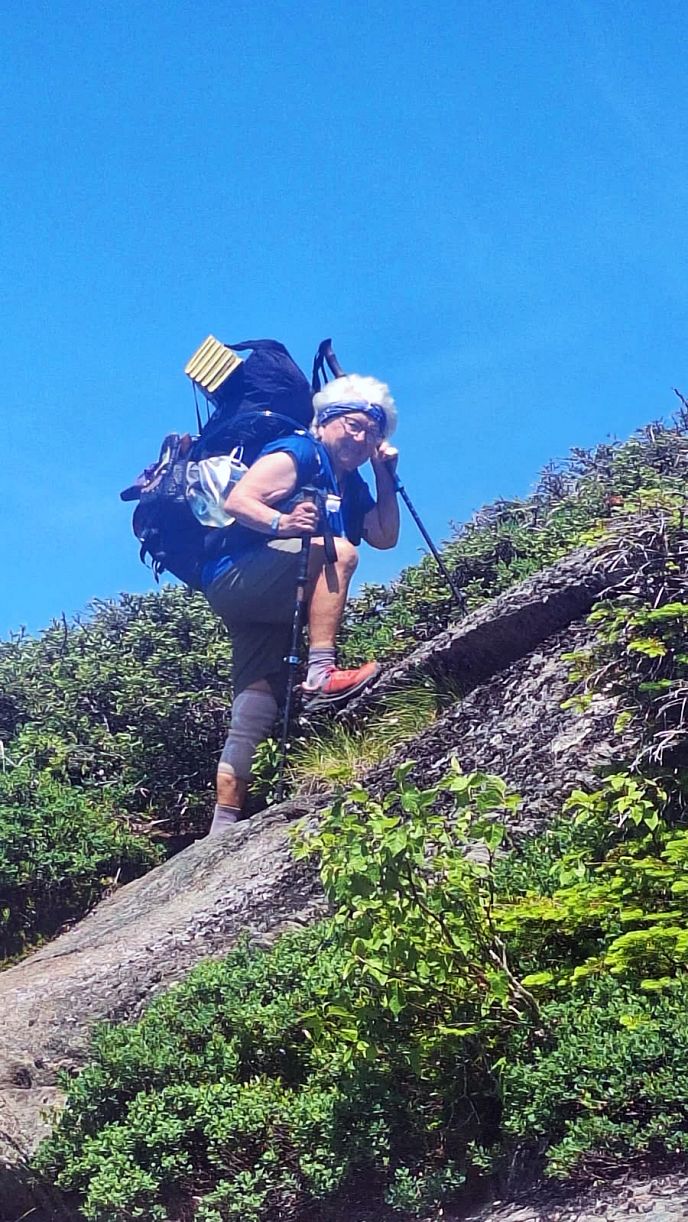
Kindness: A Survival Skill That Helps Us Thrive In A Difficult World
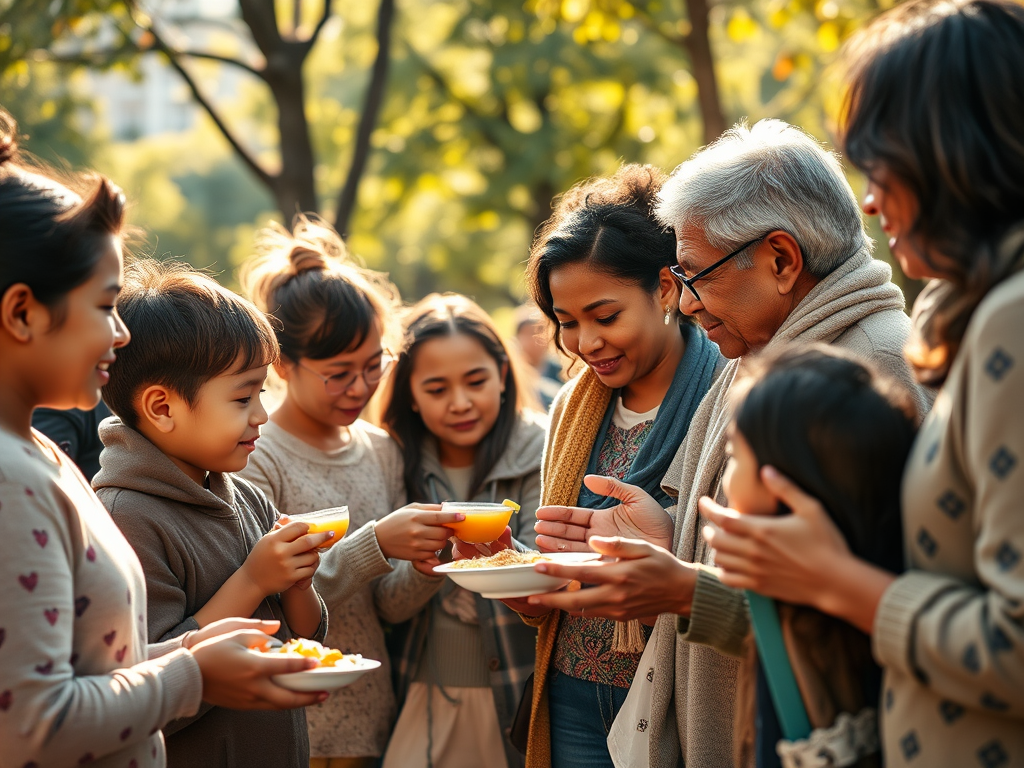
This is the quick heartbeat of what follows: in a difficult world, kindness can be the glue that holds together and helps people keep going.
A snapshot of what kindness can do
In a challenging world, kindness can be the glue that holds together, uniting in the face of adversity. Discover how kindness helps us thrive, build deeper relationships, improve our mental health, adapt to our constantly changing environment, and build a stronger sense of purpose.
Related reading on this theme: The Power of Kindness: How It Can Truly Change Your Life.
Introduction
When life feels loud with chaos and uncertainty, kindness can look soft from the outside, yet it often becomes the thing that keeps people connected.
When compassion stops everything from falling apart
In a world often marked by chaos, wars, and more chaos, kindness can seem like a soft virtue, beautiful, yet optional. When life becomes difficult, uncertain, and overwhelming, it is compassion that keeps communities standing, relationships intact, and families connected.
“Be kind, for everyone you meet is fighting a hard battle.” – Plato
Kindness is more than just a nice gesture; it is a survival skill that helps us navigate an unfriendly world. It calms our nervous system and strengthens our social bonds, reminding us that we are not alone.
In a time when stress, conflict, and isolation are at an all-time high, understanding the power of simple human compassion may be the most important tool we have.
If you’ve been feeling the weight of disconnection, you may also relate to The Loneliness Epidemic: Why We Feel Disconnected (Even When ….
The Science of Why Kindness Makes Us Stronger
Kindness doesn’t only change how we feel in the moment. It can shift what happens inside the body, turning connection into something measurable and protective.
What compassion does in the body
Modern research shows that kindness goes beyond making us feel good. It physically strengthens us.
Research has shown that the act of compassion triggers the release of oxytocin, dopamine, and serotonin, the body’s natural “feel good” chemicals. These chemicals reduce stress, lower blood pressure, and improve mental clarity.
In communities, a simple gesture of compassion can lead to stronger cooperation, greater resilience during crisis, and improved collective well-being. “Kindness is the golden chain by which the society is bound.” – Johann Wolfgang von Goethe
And in a stressful environment, a small act of kindness, such as holding the door for the next person, checking on a friend, or sharing food with the needy, can interrupt a cycle of fear, isolation, and loneliness. It reminds the brain that safety still exists.
For more on the research-backed side of this, see The Science Of Kindness: Why Doing Good Feels Amazing.
Harvard Health also explores these benefits in The healing power of kindness.
Kindness as a Stabilizing Force in Times of Crisis
In the moments when life breaks open—disasters, conflict, or loss—kindness often becomes the steadying hand that helps people survive what they didn’t choose.
When strangers become shelter
“The best portion of a good man’s life is his little, nameless, unremembered acts of kindness and love.” -William Wordsworth
History and recent global events demonstrate that kindness becomes increasingly evident in times of crisis. For example, it is often noted that strangers share food and shelter after a natural disaster, as well as provide emotional support during this period.
During conflicts, volunteers risk everything to bring medical aid or evacuate families, as has been seen in different parts of the world. Additionally, during economic downturns, communities often organize food drives, free tutoring programs, or neighborhood support networks.
These acts do not automatically erase the crisis or the memories from it, but they make survival possible for the victims both physically and emotionally. Kindness becomes a social glue that keeps people connected when the world feels like it’s falling apart.
After all, according to Mark Twain, “kindness is the language which the deaf can hear, and the blind can see.”
One recent example of people mobilizing to deliver supplies and support after tragedy is reported by Reuters in Hong Kong residents scramble to deliver aid, support after deadly fire.
You may also connect with When Kindness Costs Something: Viral Highlights Worldwide.
A Simple Act of Kindness can create a Deep Impact
Kindness doesn’t need to be dramatic to be real. It can be small, ordinary, and still deeply life-giving.
Small gestures, lasting light
“There are two ways of spreading light: to be the candle or the mirror that reflects it.” -Edith Wharton
People often underestimate the transformative power of small acts of kindness. A text message sent to someone who feels forgotten, a hug offered to someone having a bad day, or a meal shared with a neighbor can dramatically make one’s day feel brighter.
Kindness doesn’t require wealth, effort, or grand gestures. It only requires a heart that cares. Anne Frank puts it better, “You can always give something, even if it is just kindness.”
For another perspective on how compassion shows up in everyday life around the world, see Kindness Across Cultures: How The World Shows Love Differently.
Kindness Helps Us Thrive, Not Just Survive
Kindness can be the difference between getting through a hard season and growing through it. The effects show up in our relationships, our resilience, and how we make meaning of life.
Form deeper relationships
Compassion does more than keep us afloat; it helps us grow. People who both give and receive kindness tend to:
Kindness helps us form deeper relationships by fostering trust and creating an emotional safety net. It releases a bonding hormone, oxytocin, often referred to as the love hormone. This neurochemical helps to foster feelings of attachment, connection, and empathy.
Demonstrate higher emotional resilience
Kindness also helps us to build resilience in the face of adversity. Recent global events have shown communities coming together to rebuild after natural disasters. Of course, with the help and kindness of volunteers and donors across the world.
Adapt better to changing environments
Kindness is often the trigger we need to adapt to the ever-changing world around us. To come out stronger from a sad event, we often require a hand of kindness.
Experience improved mental health
Scientifically speaking, kindness has been known to trigger the release of endorphins, dopamine, serotonin, and oxytocin, which can improve mood and the general well-being of a person.
Kindness, in a way, also helps to fight anxiety, loneliness, depression, and isolation.
Develop stronger purpose and meaning
In workplaces, teams perform better when members feel respected and supported. In families, kindness nurtures trust and communication. In communities, it creates safety, a sense of belonging, and cooperation among people.
For more on caring for yourself while staying connected to others, see 10 Simple Ways To Practice Self-Kindness Every Day.
The Guardian also discusses how kind acts can support wellbeing in The big idea: does true kindness have to be selfless?.
You can be a Force of Kindness
Kindness isn’t just something you witness; it’s something you can choose. One act can ripple outward, quietly changing the emotional climate around you.
Choosing compassion without denying reality
We often underestimate how powerful our actions can be, no matter how little they are. But kindness is contagious, or in the words of Sophocles, an ancient Greek tragedian, “kindness gives birth to kindness.” When one person chooses compassion, the ripple effect spreads across, from friend to friend, stranger to stranger, community to community, often having a lasting impact.
Choosing kindness doesn’t mean ignoring the world’s problems or staying silent when injustice happens. It means responding with empathy, humanity, and an understanding that we are in this together.
In a difficult world, kindness more often than not does not reek of weakness. It is a strength. It is a strategy. It is survival. And more than that, it is the foundation on which a better future can be built.
If you want a related reflection on compassion as a steady kind of courage, see Quiet Resistance: How Kindness Can Transform Communities.
About The Author

Victor Utomi
Victor Utomi is a dedicated school teacher, crypto enthusiast, and nature lover whose curiosity bridges technology and nature. As a former aviation reporter, he has covered global airlines, safety trends, and industry developments with depth and clarity. Known for his sharp storytelling and creative range, Victor has earned a reputation as a true content god—crafting compelling narratives across education, crypto, aviation and nature. He is passionate about simplifying complex ideas and inspiring audiences through thoughtful, well-crafted writing.




reader's monthly pick


subscribe to newsletter
Sign up for The DivsFeed newsletter to get heartwarming stories in your inbox every month.