
When Kindness Costs Something: Viral Highlights Worldwide
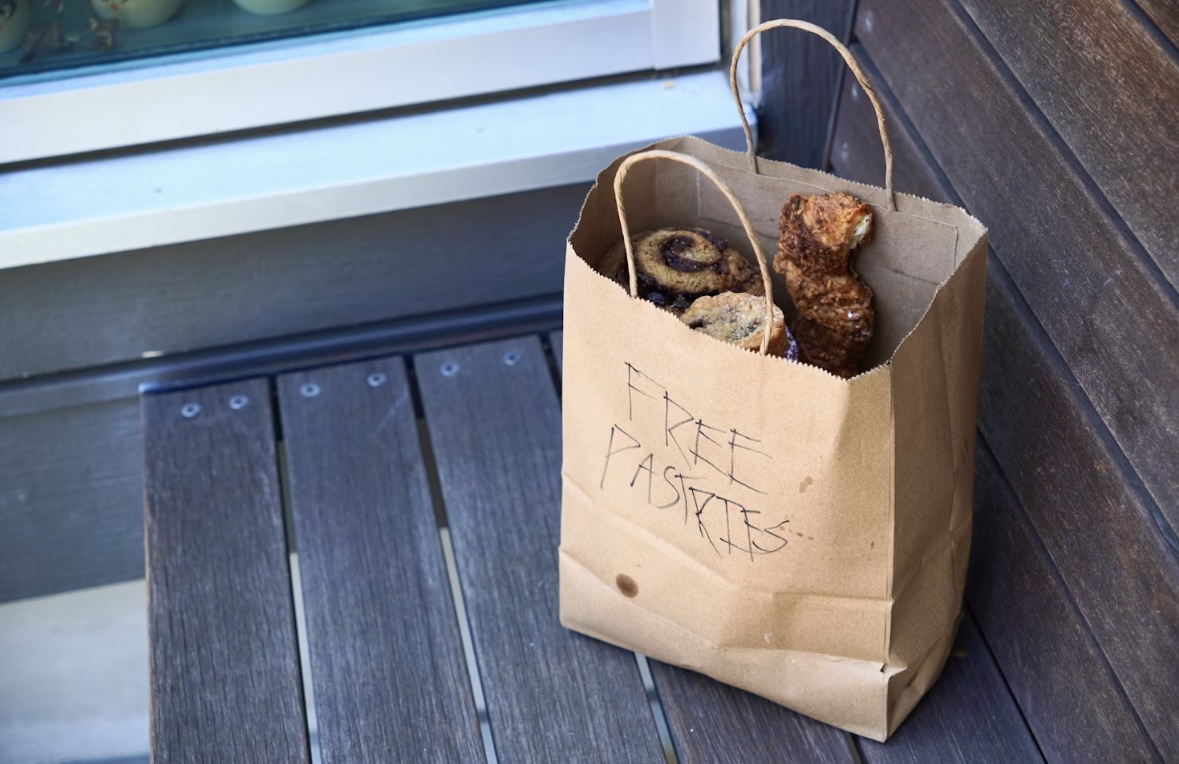
Photo credit: Brett Wharton
The Cost of Showing Up
Kindness is easy when it’s safe and celebrated, but its truest form often requires time, vulnerability, or material sacrifice. These small, quiet choices are where values turn into action.
A Tip Returned in Lenoir
Kindness is easy when it comes with applause. When it’s safe, visible, and met with gratitude, it feels good. But the truest form of kindness often carries a cost. It’s quieter, lonelier, and asks something of us — time, vulnerability, or even material resources.
Take the story of a customer in Lenoir, North Carolina, who realized he had accidentally left his server without a tip at Side Street Pour House & Grill. Instead of ignoring the mistake, he mailed the restaurant a handwritten apology letter along with a $20 tip. The restaurant shared the story, calling it “a beautiful example of how to do the right thing.” This moment wasn’t about visibility — it was about taking responsibility and valuing another person’s dignity.
For more on how everyday generosity shapes well-being, see The Science of Kindness.
When Generosity Goes Viral
Similarly, the viral #TipTheBillChallenge has inspired diners across the U.S. to leave gratuities equal to or exceeding the cost of their meals. Hundreds of servers shared photos of massive tips received through this challenge, helping raise awareness of service-industry struggles. Though not a single act, it’s a verified movement showing how collective kindness can make a tangible difference, often at some personal cost to those giving.
For evidence-based guidance on the mental health benefits of kindness, explore the American Psychological Association.
The Weight of Gentle Choices
Acting kindly in hard moments is a form of moral courage. It asks us to hold our values steady while acknowledging limits, fatigue, and the reality of trade-offs.
Moral Courage, Not Perfection
Kindness is often dismissed as soft. Yet, as psychologist Dr. Susan David notes, “Courage is not the absence of fear, but acting with our values in hand.” To act kindly when it costs something — whether it’s money, time, or social risk — is an act of moral courage.
A 2020 study in Frontiers in Psychology found that altruistic acts during crisis periods significantly boosted collective morale but also warned of “compassion fatigue” when support carries on without rest. The cost is real.
Every small act — holding a door, listening without judgment, forgiving a friend, or correcting an error that affects someone else — sends a signal into the world: that goodness is still possible.
How tenderness supports health is discussed by Harvard Health.
Refilling the Well
Kindness that endures requires boundaries and recovery. Rest is not a retreat from care; it’s what keeps care honest and sustainable.
For simple, sustainable practices, try 10 Simple Ways to Practice Self-Kindness.
When No One Claps
Quiet generosity shapes communities precisely because it isn’t transactional. It becomes identity — a way of moving through the world with intention, even when no one is watching.
Redefining Success Together
Kindness that costs something often hides in everyday decisions. It may not make headlines, but it shapes communities. Adam Grant, in Give and Take, observes, “The most generous people are often the most successful not because kindness pays off — but because they redefine success to include others.”
The cost also includes learning limits. You cannot fix everyone, nor meet every need. Forgiving yourself for what you didn’t do — whether because of constraints or circumstances — is part of the moral work. Philosopher Martha Nussbaum reminds us that compassion depends on acknowledging vulnerability — ours and others’.
Strategy, Identity, Heartbeat
When no one claps, when no one watches, when the cost is invisible — that’s when kindness becomes strategy, identity, heartbeat. It requires courage, intention, and, sometimes, sacrifice.
For more reflections on practicing resilient compassion, visit Self-Kindness & Personal Growth.
About The Author

Ada Maidoh
Ada writes with a soft spot for ordinary moments, the kind most people overlook. She’s spent years helping others find the right words, and somewhere along the way, found her own. When she’s not writing, you’ll probably find her people-watching, making tea, or rewriting the same sentence five times just to get the rhythm right.




reader's monthly pick


subscribe to newsletter
Sign up for The DivsFeed newsletter to get heartwarming stories in your inbox every month.