
The Science of Kindness: Why Doing Good Feels Amazing
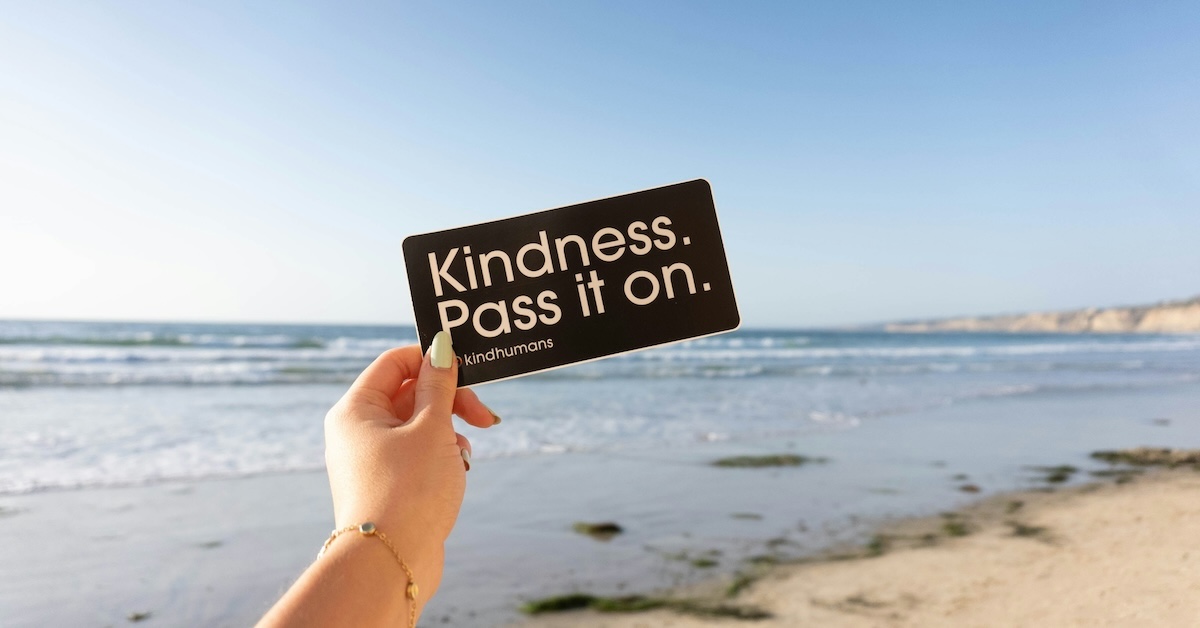
Kindness isn’t just about being nice—it has real, measurable effects on our brains, bodies, and social interactions. Science shows that small acts of kindness boost happiness, improve health, reduce stress, and even increase lifespan. Whether it’s a smile, a kind word, or a generous action, kindness is powerful. In this article, we’ll explore the scientific benefits of kindness, how it affects the brain, and why kindness is contagious.
What Happens in Your Brain When You’re Kind?
When you perform a kind act, your brain undergoes a positive chemical reaction. Studies show that acts of kindness release dopamine, serotonin, and oxytocin, which enhance mood, lower stress, and improve overall well-being.
The Role of Oxytocin in Kindness
Oxytocin, also known as the “love hormone,” is linked to trust, bonding, and social connection. When you show kindness, oxytocin levels rise, promoting feelings of warmth and emotional well-being. Research from Harvard Health suggests that oxytocin can also reduce blood pressure and inflammation (source).
Kindness and the “Helper’s High”
Kindness triggers the brain’s reward system, creating a natural high known as the “helper’s high.” This happens because dopamine and endorphins flood the brain, making you feel happy, energized, and fulfilled.
Kindness Lowers Stress and Anxiety
Studies from the National Institutes of Health (NIH) show that kindness reduces cortisol levels, the hormone responsible for stress. People who regularly practice kindness report lower levels of anxiety and depression (source).
Kindness is Contagious: The Ripple Effect
Science proves that kindness spreads like a positive chain reaction. When people witness acts of kindness, they are more likely to pay it forward, leading to a happier, more compassionate world.
Mirror Neurons and Empathy
The brain has mirror neurons, which allow us to experience emotions through others. When you see someone being kind, your brain mirrors their feelings, making you more likely to act kindly as well. This phenomenon is what makes compassion contagious (source).
Social Proof and the Psychology of Kindness
Humans are wired to imitate behavior. When kindness is modeled in workplaces, schools, and communities, it sets a standard for social behavior, making generosity and compassion the norm.
The Physical and Mental Health Benefits of Kindness
Being kind isn’t just good for others—it’s good for you too. Research shows that kindness has direct physical and psychological benefits.
Kindness Strengthens the Heart
Acts of kindness release endorphins, which can lower blood pressure and improve heart health. According to Cleveland Clinic, people who regularly engage in kind acts tend to have better cardiovascular health and reduced inflammation (source).
Kindness Can Increase Lifespan
Long-term studies have found that people who volunteer or engage in frequent acts of kindness live longer. A study published in the American Journal of Public Health found that giving social support lowers mortality rates.
Acts of Kindness Reduce Chronic Pain
Kindness boosts serotonin and endorphins, which are the body’s natural painkillers. This can help people suffering from chronic pain, migraines, and inflammation experience relief through generosity and social bonding.
How to Practice Kindness Daily
Kindness doesn’t have to be a grand gesture—small acts can make a huge impact. Here are a few ways to incorporate kindness into daily life.
Simple Ways to Be Kind Every Day
- Smile at a stranger – A genuine smile can brighten someone’s day.
- Give a heartfelt compliment – Make someone’s day with kind words.
- Donate time or money – Volunteering or donating even a small amount makes a difference.
- Write a thank-you note – Expressing gratitude spreads positivity.
- Listen without judgment – Offer a listening ear and support.
Encouraging Kindness in Your Community
- Start a “Kindness Challenge” – Encourage friends or coworkers to complete daily acts of kindness.
- Support local businesses – Helping small businesses keeps communities strong.
- Teach children about kindness – Instilling kindness in kids creates a better future.
Random Acts of Kindness That Create a Ripple Effect
Small, unexpected acts can inspire others to do the same. Try:
- Paying for someone’s coffee or meal
- Leaving a kind note for a coworker
- Helping an elderly neighbor with groceries
- Sending an uplifting message to a friend
Final Thoughts: Kindness is Science-Backed and Life-Changing
Science proves that kindness isn’t just a virtue—it’s a powerful force for mental, physical, and social well-being. From boosting happiness and reducing stress to improving heart health and increasing lifespan, kindness benefits everyone involved. By choosing kindness every day, we can create a happier, healthier, and more connected world. So why wait? Start spreading kindness today!
About The Author

Riven Knox is a storyteller devoted to celebrating the places where grit meets grace and everyday moments shine with possibility. With insight and imagination, Riven crafts narratives that inspire connection, spark wonder, and leave a lasting impression.




reader's monthly pick


subscribe to newsletter
Sign up for The DivsFeed newsletter to get heartwarming stories in your inbox every month.