
The Loneliness Epidemic: Why We Feel Disconnected (Even When We’re Always Online)
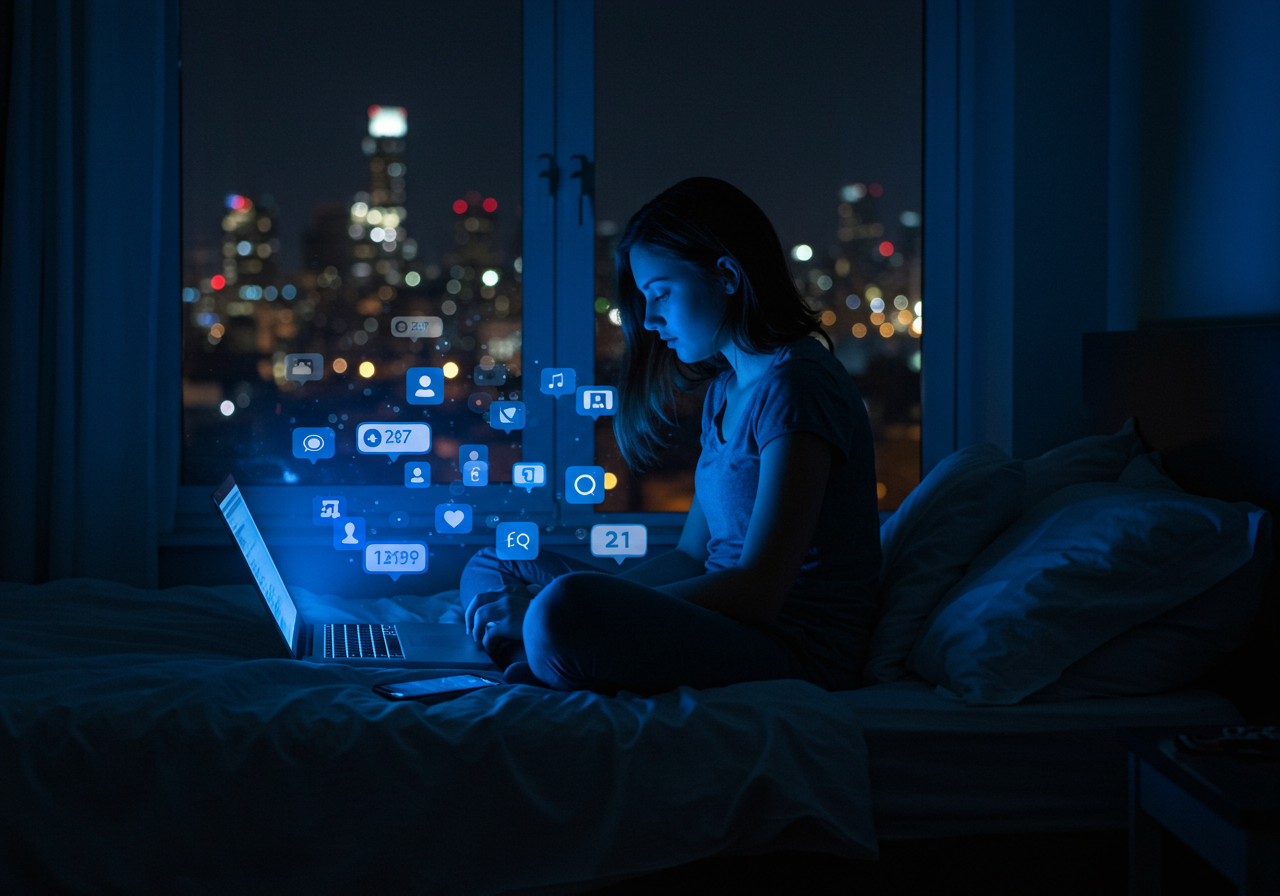
It’s 2025, and we live in the most “connected” time in human history. A single post can reach hundreds. A message crosses continents in seconds. Yet, despite the endless pings, DMs, and notifications—many of us still whisper the same quiet confession: I feel lonely.
The Rise of Loneliness in a “Hyper-Connected” World
Loneliness is no longer an exception—it’s an epidemic shaped by our digital lives. This section explores how constant connectivity has quietly deepened our emotional disconnection.
A Silent Epidemic of Disconnection
Studies show that loneliness is one of the fastest-growing public health concerns of 2025. Even before the pandemic, social isolation rates were rising. But post-2020, the world’s shift online—work, friendships, even worship—accelerated a silent epidemic.
We scroll through highlight reels instead of having heart-to-heart conversations. We double-tap instead of listening. We “share” everything and still feel unseen.
This constant partial connection tricks the brain into believing we’re close to people, yet leaves the heart craving depth.
For more reflections on digital life, visit Digital Detox: Building a Healthier Relationship With Your Phone.
According to the CDC, chronic loneliness can have long-term effects on well-being.
Social Media: The Illusion of Intimacy
Social media promised connection—but for many, it delivered comparison, overstimulation, and emotional emptiness. This section unpacks how digital platforms distort our sense of closeness.
When Connection Becomes Comparison
Every swipe is a flood of other people’s lives — curated, filtered, and edited for perfection. When everyone seems happy, successful, and surrounded by love, it’s easy to feel like we’re falling behind.
And so, even in the middle of a crowd—or a bustling feed—we feel invisible.
What’s worse? The more isolated we feel, the more we scroll, hoping for comfort. But the algorithm isn’t designed to heal us; it’s designed to keep us hooked.
For another angle on authenticity online, read You Don’t Need Viral to Be Valuable.
Why We Feel Disconnected (Even When We’re Always Online)
Loneliness in 2025 isn’t about being alone—it’s about being unseen. This section explores the psychological roots behind modern disconnection.
The Hidden Causes
Superficial interactions: Likes and emojis have replaced real conversations.
Performance culture: Many of us share our lives for validation, not connection.
Emotional burnout: Constant content consumption leaves no room for emotional stillness.
Fear of vulnerability: We post our joys, hide our pain, and lose authenticity in between.
Real connection requires presence, not just proximity. And that’s something no Wi-Fi can give.
For more on genuine relationships, explore Understanding Loneliness and Connection.
The Hidden Impact on Emotional Health
Loneliness doesn’t just hurt emotionally—it reshapes our physical and mental well-being. Here’s how chronic isolation affects the human spirit and body.
When Disconnection Becomes Damage
Loneliness doesn’t just hurt the heart—it affects the body and brain. Research links chronic loneliness to increased stress hormones, sleep problems, weakened immunity, and even depression.
What’s worse? It changes how we relate to ourselves. When disconnection becomes normal, we start to believe that our feelings don’t matter—or that no one would understand them anyway.
This quiet emotional numbness has become the unspoken signature of our digital age.
For perspective, see APA Poll: One in Three Americans Feels Lonely Every Week.
Rebuilding True Connection in a Digital World
Healing from loneliness requires intentional human connection—offline and from the heart. This section offers simple ways to rediscover real closeness in a digital age.
Steps Toward Genuine Connection
Call instead of text. Hearing someone’s voice can restore warmth that emojis can’t.
Set screen boundaries. Choose moments of silence daily. Let your mind breathe.
Find community spaces. Church groups, small gatherings, or hobby clubs create real bonds.
Practice vulnerability. Let others see the real you—imperfections and all.
Reconnect with God and yourself. Sometimes, spiritual stillness fills the spaces people can’t.
Connection doesn’t need an app. It needs presence.
Learn more in Rest Is Productive: Why Downtime Fuels High Performance.
A Quiet Reminder
Loneliness doesn’t mean something is broken—it’s a message from within. This closing reflection reminds us that our longing for connection is deeply human.
A Signal, Not a Weakness
Maybe loneliness isn’t proof that something is wrong with you. Maybe it’s simply your heart reminding you: I was made for connection.
Not the pixel kind—but the kind that makes you feel seen, safe, and understood.
So next time you reach for your phone, maybe reach for someone’s hand—or even just your own heart—instead.
Loneliness in 2025 isn’t a weakness. It’s a signal. A sign that your soul craves something real. Because beneath all the noise, what we all truly want is simple: To be known. To be loved. To belong.
For deeper reflection, see How Life Story Club Is Fighting Loneliness.
About The Author

Damilola Stephen
Damilola Stephen is a certified skincare formulator, beauty therapist, and wellness educator with over six years of experience helping women embrace radiant, healthy living from the inside out. She is the founder of Kira Natural Skincare and the author of Skinshield: Loving Your Melanin
Skin.
Combining science, self-care, and faith, Damilola inspires people through her work to love
their skin, honor their wellness journey, and live boldly. Her work blends hands-on expertise with
heart-centered storytelling to create meaningful impact.




reader's monthly pick


subscribe to newsletter
Sign up for The DivsFeed newsletter to get heartwarming stories in your inbox every month.