‘Learn How To Be A Human’ Courses Now Being Offered At Different San Diego Universities
Ever heard of ‘Knowing how to be a human is mandatory to apply for this job’ ?
Well, listen no further because I am here to tell you that knowing how to be a human has officially become an important effort to survive. Now, exactly what do I mean when I say ‘knowing how to be human’?
Does it mean to know how to cook? How to put on your clothes? How to wash your dishes and strategically put them away? Or do I mean knowing how to love and appreciate each being you come across?
I have to admit the line is pretty thick, my friends but alas, I do mean the latter. Knowing how to love and appreciate, knowing how to respect and admire, and knowing how to forgive and forget is knowing how to be a human.
Karen Dobkins, a Professor of Psychology at UCSD School Of Sciences (University Of California San Diego), initiated a mental well-being program, LSW–Learning Sustainable Well-Being- at the university to teach students (and others) how to navigate their emotions, understand other people’s feelings, and recognize oneself as they are. This program aims to highlight how important it is to take care of oneself, and how important you are to yourself and others.
“The one thing students absolutely know how to do is enroll in classes. They’ve got that down.”- Dobkins
‘Self’ Acceptability and Endurance
In 2015, Dobkins used to have a lab which focused its research on brain development in children, but now it solely focuses on the ‘Human Experience and Awareness’ (HeaLab).
The real ignition of this program started when Dobkins was quite down in the dumps and was feeling depressed. She saw how little information and guidance was being offered for mental health care in her work field and decided to change that once and for all. She also realized how much she loved to help people navigate their feelings and emotions, and how she loved working with people to better their mental well-being.
The first ever pilot course of LSW was introduced by Dobkins during a freshman seminar in 2014 and has since gone through many changes which now reflect the true purpose of LSW.
Dobkins, later on, teamed up with Dr.Dickenson, a clinical psychologist and an expert of gender and sexual well-being, to really air-tight the course so that It had no gaps or holes and could easily achieve its aim. This program is now set out to be ‘as foundational as maths and writing.’
“People reach out for help at the point that they’re in pretty bad shape. A lot of people don’t even take the steps to get the help they need because they’re embarrassed or they feel alone in their experiences.” – Dobkins
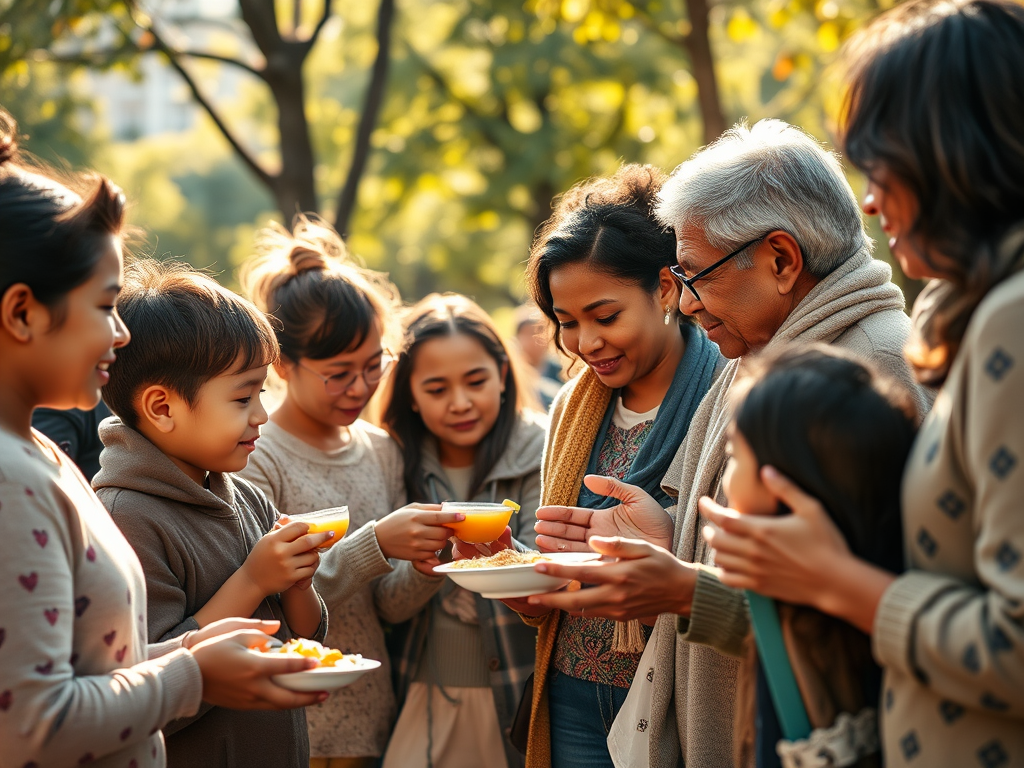
The course allows students to really look at the faces around them and understand that each and every one of these faces has had a life behind them and is currently living a life which may be just like ours or maybe totally different from ours, but they are definitely living through something similar to us. It offers real understanding and connection, which fuels mutual respect and understanding. The course also offers insightful approach for understanding relationships with oneself and others.
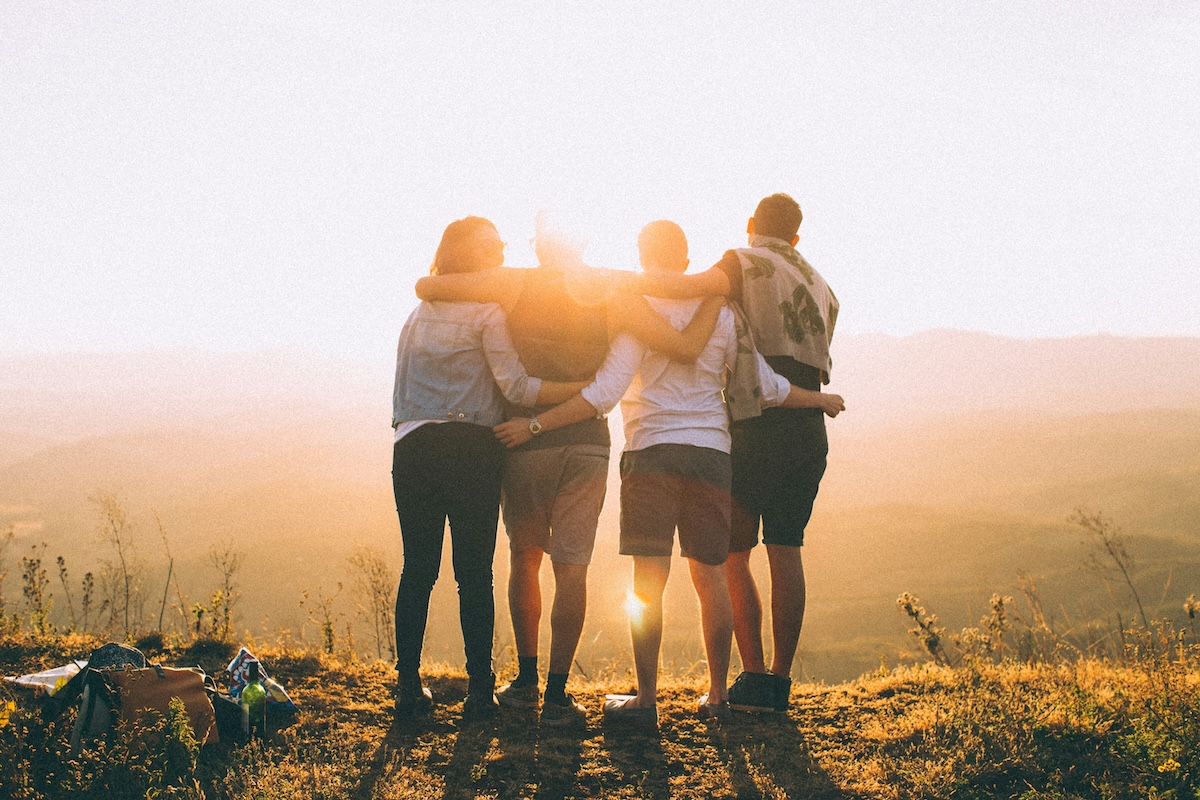
One other major key takeaway that the students had from this program is love. Students learnt that to receive love, we must also give love.
Dobkins also encourages students to practice “healthy communication rather than sitting in the seat of judgement.”
“People behave the way they do for much more tender reasons than we think. We all want to be seen, loved and heard and we have funny ways of showing it sometimes.” – Dobkins
What started as a program at UCSD by the Psychology department will now be exclusively offered throughout many colleges and universities across the city. Dobkins hopes that this program can further branch out to courses that teach students important life skills such as taking care of their physical being and developing a good life-work balance.
Dobkins, along with a fellow colleague, Janna Dickenson are now currently training many faculty members throughout the city on how to teach LSW classes.
The Course
The course has 10 modules, one for each week of the quarter. The whole of the course is divided into Two Major Parts; Part 1 being ‘Self Compassion: Relationship with Self’ and Part 2 being ‘Compassion for Others: Relationship with Others’.
“Having these lessons taught in the classroom not only reaches more students at once, but it helps them realize that we all feel this way, because everyone is saying ‘Yes, I have gremlins who tell me bad stuff about myself’.” – Dobkins
The Self
Allama Mohammad Iqbal, philosopher and poet, emphasized the development of a strong, conscious “Self” (Khudi) through self-awareness, effort, and connection to the divine. He believed the ‘Self’ is not static but a developing, unifying organic entity which is eternal.
“Elevate yourself so high that even God, before issuing every decree of destiny, should ask you: Tell me, what is your intent?” – Iqbal
Professor Dobkins’ efforts to make students realize their ‘self’ remind me of this concept by Iqbal. It is important to remember that we can always change, we can always learn and evolve, and change our ways. We do not need to be the same person we were last year or last week, heck, even yesterday. We are in a constant state of evolution; it is inevitable to change, so just let it happen.
About The Author

Nesayem Sultan
Nesayem Sultan Khan is currently completing her Senior Year as a Computer Science Student in
Highschool. She likes to write about peculiar things that catch her eye. She is also an enthusiast
for movies and TV shows, and tries to watch at least one movie a day.
Nesayem, like many other wallflowers, is currently trying to find her way in life, and so, she
ventures out into the world as an open book, ready to ink it with the World’s footprints.



reader's monthly pick


subscribe to newsletter
Sign up for The DivsFeed newsletter to get heartwarming stories in your inbox every month.