
Dogs Are Learning To Feel With Us: Discover The Beautiful Evolution
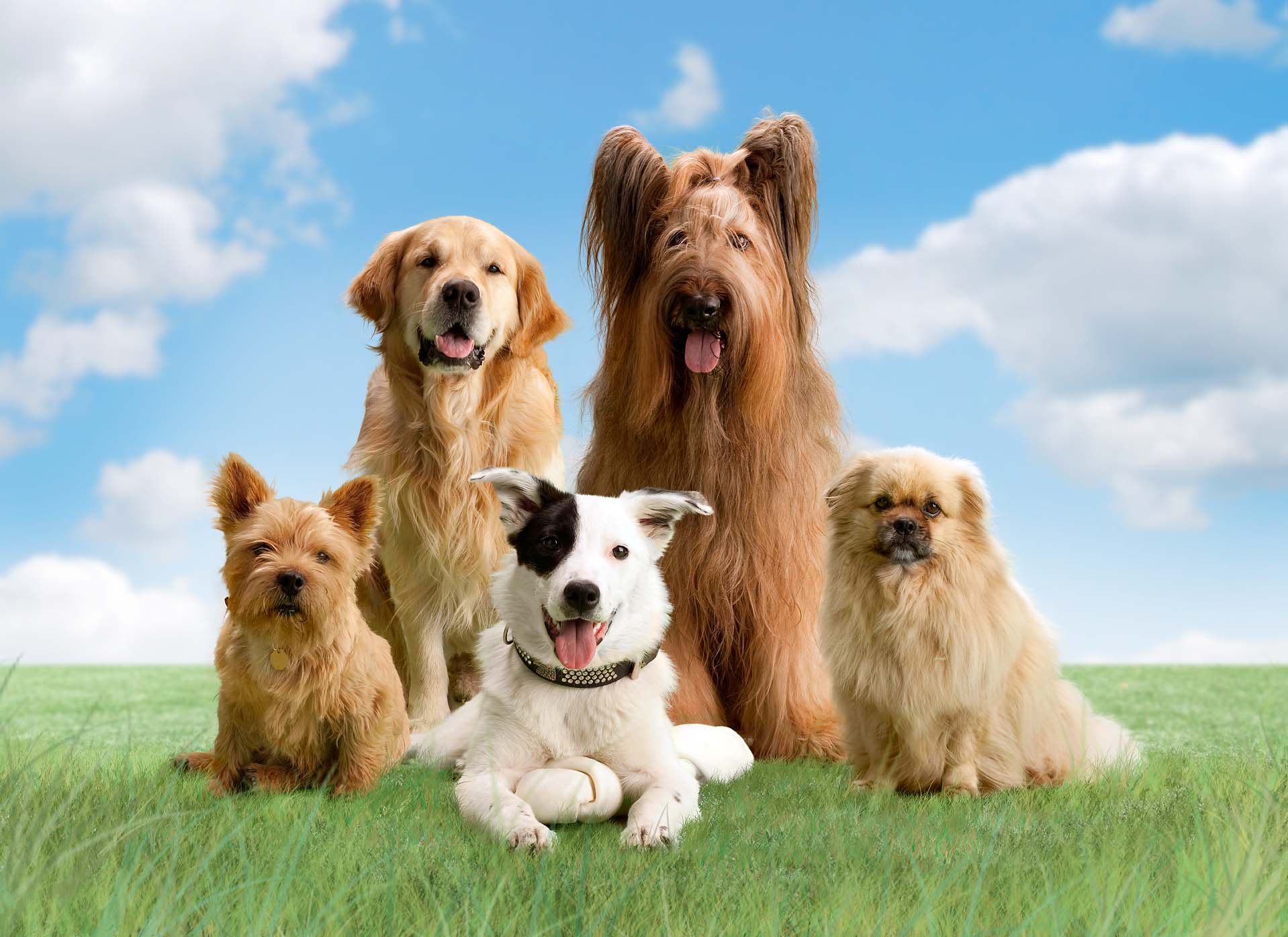
Scientists have found that your favorite furry friends are changing due to the conditions of their lives as pets. Find out the effects of your human life on their development.
Constantly Evolving
This is certainly not the first period of evolution for dogs, and it will not be the last. Dogs evolved from wolves to domesticated pets, and now they are experiencing a new phase in their continuous evolution. Previously, dogs were animals that could hunt, herd livestock, and offer protection. Now they are generally friendlier and calmer in a new way of domestication.
New studies have shown an improvement in emotional intelligence and enhanced cognitive abilities. Dog owners today will discover for themselves that their dogs can sense their emotions, like if you are upset, scared, excited, and more. They may snuggle closer to you in an attempt to comfort you or offer you one of their favorite toys to cheer you up. They also understand more of what you are saying than you might assume, and respond in their own way. A study published in Nature found that dogs were able to identify over 100 human words and interpret emotional tone more accurately than previously recorded.
How Are They Changing?
- Enhanced Communication with Humans
- Urban Adaptability
- Cognitive Adaptation
- Dietary Adaptation
- Genetic Shifts
- Social Behavior
- Emotional Responsiveness
- Physical changes in coat patterns, snout length, and body size (due to the environment)
Dogs in urban settings have become more sociable and friendly, while also becoming less aggressive toward strangers or other dogs. They are also becoming more tolerant of city life, which includes more noise and crowds. Dogs in urban areas are also more successful in navigating busy streets, avoiding traffic, and recognizing crosswalks. DNA sequencing has also revealed changes in the genes responsible for stress response, learning ability, and memory. Scientists believe that evolution in dogs is accelerating because of human influence.
Many dogs are seeking out healthier food options. They are gravitating towards balanced diets that include vegetables and lean proteins. Owners have noticed dogs refusing processed foods, indicating an innate understanding of nutritional needs. This could be because humans are becoming more health-conscious. Brands such as The Farmer’s Dog, The Pets Table, We Feed Raw, and Ollie are using real meat high in protein, clean and all-natural ingredients that can make a big difference.
Backed by Science
A study revealed that oxytocin, the “love hormone,” drives dogs to seek out physical contact and other interactions with their owners. Many humans, especially those with children in the household, prefer more affectionate pets.
Another study led by canine experts Brian Hare and Vanessa Woods looked at the way dogs developed their ability to work with humans and how our lifestyle may affect their traits. In the study, 60 golden retrievers were to open the lid of a treat jar that had been designed to be difficult to open. In one trial they were first given an oxytocin nasal spray, and in another, they were given a neutral saline nasal spray.
Then, the researchers timed the golden retrievers to see how long it would take for them to seek out help from their owners. Dogs with a particular genetic variant of the oxytocin receptor responded to the oxytocin spray, making them more likely to ask for help. The results: oxytocin levels have a big influence on a dog’s social skills and relationship with humans. It is believed that their sensitivity to social behavior is in part related to their genes.
The Reasons Behind The Changes
According to thenaturescientist.com, technological evolution could be a factor. Dogs today, amid screens, are experiencing modern stimuli like television and smartphones. Many dogs watching television alongside you may bark at the sound of a doorbell on screen. They may respond to intense emotional or disturbing scenes on television and in movies. (Like when my yellow lab got scared and left the room when I was watching Texas Chainsaw Massacre.)
Frequent travel with your pet may also be causing these changes as they are exposed to new areas and experiences they may not otherwise have witnessed. New methods of training dogs may also be a factor. Trainers focus more on positive reinforcement, empathy-based commands, and mental stimulation.
Good News! Dogs Are Living Longer
Exploringanimals.com notes that “Advancements in veterinary care and nutrition are contributing to increased lifespans in dogs. Many are living well into their late teens, maintaining vibrant health and activity levels. This longevity is accompanied by preserved cognitive functions, allowing older dogs to enjoy enhanced quality of life.”
The key factors in keeping your dog alive and well long-term are healthier diets, more exercise, more playtime for stimulation, and also the introduction of vitamins and supplements that can improve digestion as well as relieve joint pain.
About The Author

Aubrey White
Aubrey graduated Summa Cum Laude with a Bachelor’s in English from Montclair State
University. She has always been passionate about reading and writing and hopes to one day
publish her own novel.
Some of her favorite books are The Silent Patient by Alex Michaelides, The Shining by Stephen King, The Midnight Library by Matt Haig, and First Time Caller by B.K. Borison. She loves animals, especially dogs. In her free time, she likes going to the gym, hanging with friends, watching rom-coms with her mom, reading, and writing short stories.




reader's monthly pick


subscribe to newsletter
Sign up for The DivsFeed newsletter to get heartwarming stories in your inbox every month.