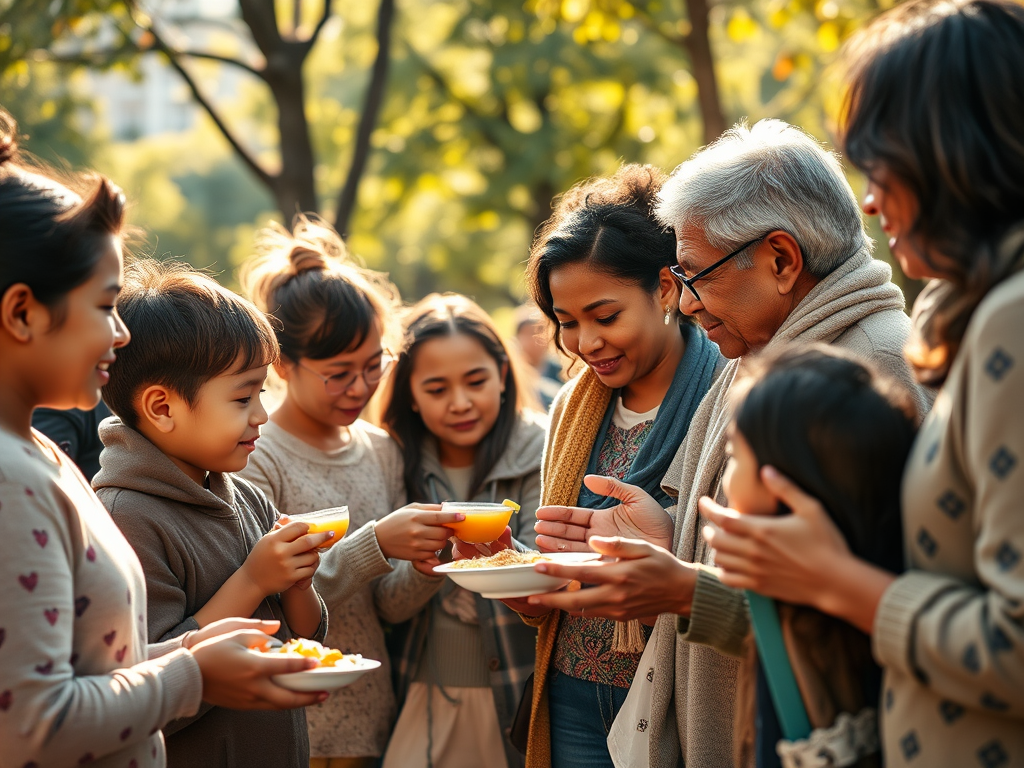
From Street Markets to Small Miracles: The Heart of Italy Lives in Its People
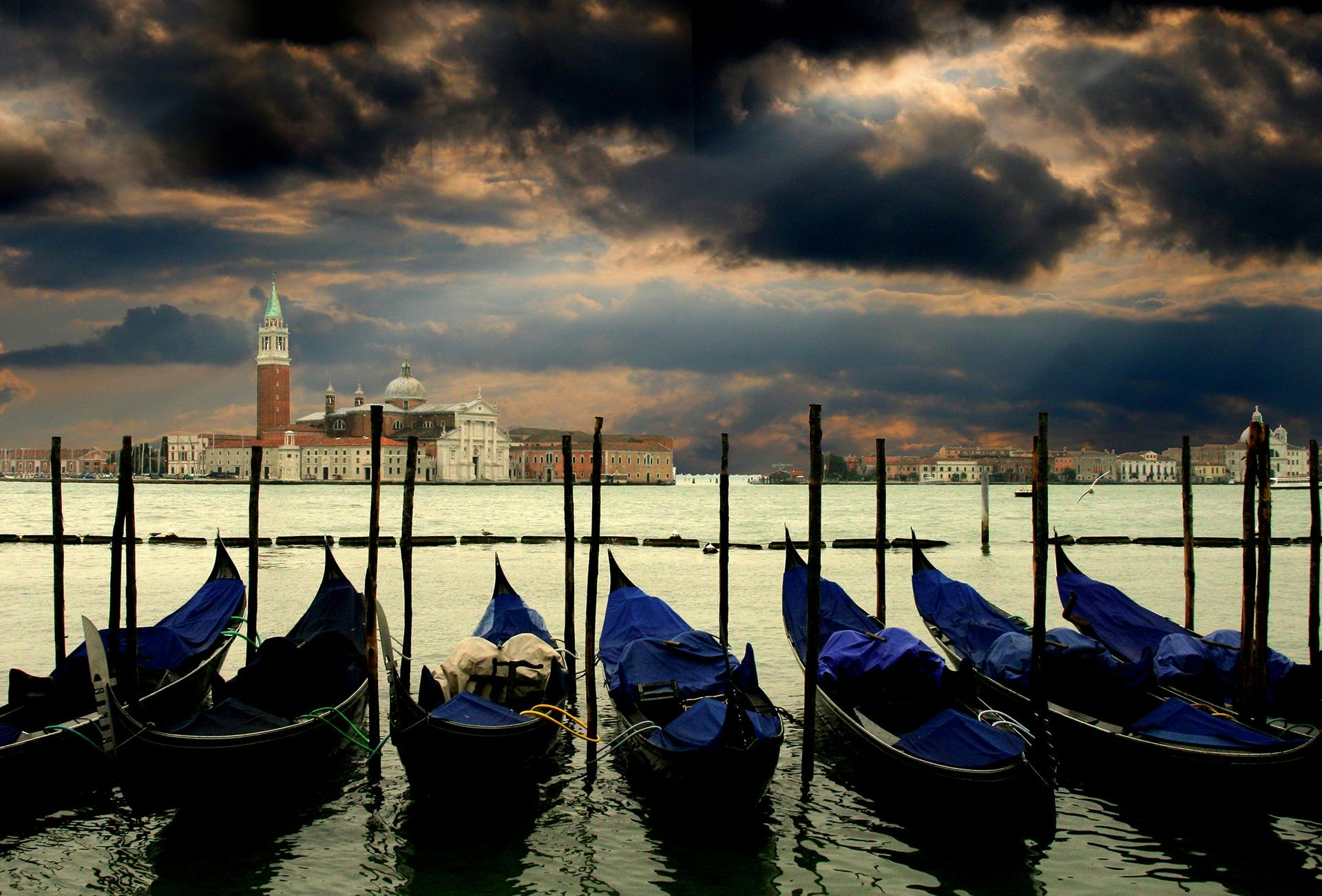
Photo credit: Pexels.com
There’s a lot to love about Italy—pasta, wine, sunshine. But ask anyone who’s spent time there what truly stands out, and they’ll likely tell you it’s the people. The neighbor who brings you a warm loaf of bread just because. The pharmacist who goes out of their way to translate every ingredient for you. The stranger who offers a smile when you’re visibly lost. Kindness is baked into daily life here, and for many, that’s the real reason they never want to leave.
Here’s why Italy doesn’t just feed your stomach, it feeds your spirit.
Nonna Lucia’s Garden of Goodness
You can’t begin to talk about Italy without mentioning the food. But it’s not just about flavor, it’s about connection. Meals are slow, intentional, and almost always shared.
And despite the creamy sauces and fresh breads, Italians are among the healthiest people in Europe. In 2022, the obesity rate in the U.S. was 42.9%. In Italy? Just 21.6%. Tourists often find that while they’re indulging in everything from pizza to gelato, they’re actually losing weight. That’s because portion sizes are smaller, processed foods are rare, and snacking between meals isn’t the norm.
American columnist Tamar Haspel spent a month eating her way across Italy and noticed the difference immediately. No drive-thrus. No candy aisles at hardware stores. Just fresh cheese, bread, fruit—and a strong sense of community.
In a quiet village outside of Bologna, travelers have shared stories of locals like Nonna Lucia, an 83-year-old who sets out free homemade pastries on her garden wall each Sunday morning with a sign that simply says, “Take one. Be sweet today.”
Marco Bellini and the Espresso of Empathy
Italy has been producing wine for more than 4,000 years and is currently the largest wine producer in the world. But just as memorable as the wine itself are the rituals around it.
In the small town of Matera, a café owner named Marco Bellini gained local recognition for refusing to charge elderly customers who came in alone. His reasoning? “Nobody should drink coffee in silence.” He’s known for sitting down with his guests, sharing a toast of vino or espresso, and listening to their stories. It’s the kind of hospitality that turns regulars into extended family.
Everyday Kindness in Small-Town Streets
According to housinganywhere.com, Italy ranks as the fourth most affordable country in Western Europe. In smaller towns like Avellino or Campobasso, it’s not just the cost of living that stands out—it’s the way people live.
People know their neighbors. Children still play in the piazzas. When someone needs help carrying groceries, they don’t have to ask twice. In Siena, a man named Giorgio, who has owned a corner bakery for 40 years, is known for handing out leftover loaves each evening to anyone who looks like they’ve had a hard day. “Bread should never go to waste,” he says. “And neither should kindness.”
Dr. Elena Ricci’s Doorstep Diagnoses
Italy’s healthcare system is ranked among the top 10 globally by the World Health Organization. But what makes Italian healthcare feel so human is how it’s delivered.
Take Dr. Elena Ricci, a general practitioner in Verona. When the pandemic hit, she began making house calls—on foot—so elderly patients wouldn’t have to risk crowded clinics. She did it quietly, without press, and never accepted a euro beyond her salary. “It’s just what you do,” she said. “These are my neighbors.”
The Vacation Culture That Values People First
In Italy, vacation is sacred. Full-time workers get a minimum of four weeks off per year. It’s not just encouraged—it’s expected.
Thea Duncan Prando, an American who moved to Italy two decades ago, says she didn’t understand it at first. “With my American mentality, I prioritized productivity,” she recalls. “But here, people see work as just one part of who we are. Time spent with family and friends isn’t just downtime—it’s life itself.”
In August, entire towns shut down for Ferragosto, a national holiday that stretches into weeks of rest, celebration, and reconnection. It’s not laziness—it’s a cultural reverence for the human need to pause, to breathe, to live fully.
Kindness isn’t an add-on
Hold on, let me pack my bags because I am moving to Italy. In all seriousness, Italy is a great place to live for many reasons, such as affordable living, access to healthcare, and, of course, the amazing food and wine. It may be difficult to live or travel there if you do not speak any Italian. There is definitely a language barrier, and some travelers found it difficult to talk to the Italian citizens.
Kindness in Italy isn’t an add-on. It’s an ingredient in everyday life. From a garden wall lined with pastries to a stranger who walks miles just to check on someone, the heart of Italy beats through its people.
If you’re looking for a country that values community over chaos and human warmth over hustle culture, maybe Italy isn’t just a destination. Maybe it’s an example.
And maybe the question isn’t just, “Should I move to Italy?” but “How can I live a little more like the Italians do, right here, right now?” Time to get back to my Duolingo lesson.
About The Author

Aubrey White
Aubrey graduated Summa Cum Laude with a Bachelor’s in English from Montclair State
University. She has always been passionate about reading and writing and hopes to one day
publish her own novel.
Some of her favorite books are The Silent Patient by Alex Michaelides, The Shining by Stephen King, The Midnight Library by Matt Haig, and First Time Caller by B.K. Borison. She loves animals, especially dogs. In her free time, she likes going to the gym, hanging with friends, watching rom-coms with her mom, reading, and writing short stories.




reader's monthly pick


subscribe to newsletter
Sign up for The DivsFeed newsletter to get heartwarming stories in your inbox every month.