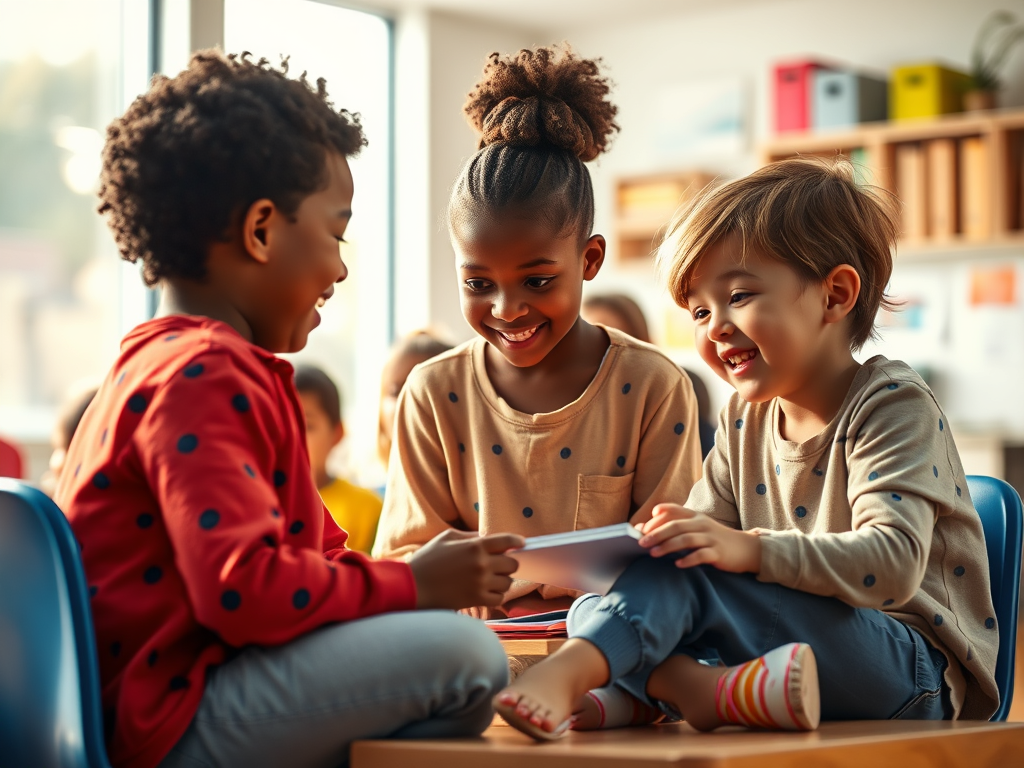
Raising Kinder, More Empathetic Kids in 2025
In a world that often feels rushed, chaotic, and increasingly digital, parenting has taken on a transformative and deeply thoughtful approach in 2025.
Worldwide, more parents are embracing methods that go beyond discipline and achievement, focusing instead on nurturing empathy, kindness, and emotional intelligence in their children. This shift isn’t just about raising polite kids; it’s about fostering a generation capable of compassion, understanding, and genuine connection.
Gentle Parenting Is Shaping Everyday Family Life
Across homes in 2025, more caregivers are slowing down, listening closely, and treating children’s emotions as real and important. Gentle parenting is becoming a framework for raising kids who feel safe, understood, and deeply valued.
What Gentle Parenting Looks Like in 2025
The concept of gentle parenting has gained popularity in recent years, and in 2025, it has solidified its place in mainstream parenting practices.
Gentle parenting emphasizes on understanding a child’s emotions, encouraging open communication and creating a home environment where children feel safe and heard.
Emotional Validation at the Heart of Connection
One of the key principles of gentle parenting is emotional validation. In 2025, parents are learning that dismissing a child’s feelings can hinder their emotional growth.
Instead, they acknowledge the child’s emotions even when they’re inconvenient. This helps children develop emotional literacy and self-regulation skills.
For example, when a toddler throws a tantrum, rather than scolding them, a parent might say, “I see that you’re frustrated because you want to play more. It’s okay to feel upset.” This simple act of recognition helps children understand and articulate their feelings, rather than suppressing them.
Parents who want more practical guidance on nurturing empathy and care are also turning to resources like Harvard’s tips for raising caring, respectful, and ethical children, and heart-centered pieces such as The Science of Kindness: Why Doing Good Feels Amazing.
Digital Tools Are Supporting Empathy at Home
Rather than replacing connection, technology in 2025 is increasingly being used to support emotional growth. Families are choosing tools that help kids notice their feelings, practice gratitude, and reflect on their day with more awareness.
Apps That Help Practice Gratitude and Kindness
Technology, too, is playing a significant role in how parents are raising empathetic children. In 2025, digital tools and apps designed to teach kindness, mindfulness, and emotional intelligence are becoming part of family routines.
Some apps guide children through daily reflections on gratitude, empathy, and acts of kindness. Others provide parents with resources to facilitate meaningful conversations about feelings and social challenges.
These tools are not replacing real-world interaction, but they are enhancing it, giving parents structured ways to reinforce empathy at home.
Schools Are Teaching Social-Emotional Skills
Classrooms are no longer only about grades and test scores. Around the world, schools are weaving emotional skills into the daily fabric of learning so that empathy and cooperation sit alongside math and reading.
Social-Emotional Learning in the Classroom
Moreover, educational institutions are aligning with this parenting philosophy. Schools are increasingly adopting social-emotional learning (SEL) programs, teaching children skills such as perspective-taking, conflict resolution, and cooperative teamwork.
In classrooms across the globe, children are engaging in exercises that encourage understanding others’ viewpoints and practicing compassionate communication. Parents in 2025 practice these lessons at home, creating consistency between school and family environments.
Research-backed organizations like CASEL describe social and emotional learning as key to helping young people build empathy, manage emotions, and form caring relationships—mirroring what many parents are trying to reinforce at home.
Mindfulness and Meditation Are Becoming Family Habits
Many families are discovering that slowing down together makes room for empathy. Simple practices like breathing, journaling, or reflecting on the day help kids stay grounded in their bodies and hearts.
Daily Practices That Build Patience and Empathy
Another significant trend is the combination of mindfulness and meditation practices into daily routines. Parents are recognizing that when children are taught to pause, reflect, and breathe, they develop a natural capacity for patience and empathy.
Simple mindfulness exercises like guided breathing, gratitude journaling, or reflective storytelling help children become more aware of their own emotions and the emotions of those around them.
These practices encourage children to approach situations thoughtfully rather than react impulsively, fostering a calm and compassionate mindset.
Resources on mindfulness for kids highlight how these small practices can support emotional recognition, resilience, and empathy—exactly the qualities so many parents hope to see in their children.
Community Involvement Is a Classroom for Compassion
Beyond home and school, families are stepping into their communities to practice kindness in real time. These shared experiences give kids a lived understanding of care, responsibility, and solidarity.
Learning Through Volunteering and Service
Community involvement also remains a central pillar in raising empathetic children. In 2025, parents are actively engaging their children in volunteering, social projects, and local initiatives that promote kindness and inclusivity.
Whether it’s helping at a community garden, participating in food drives, or organizing peer-support programs in schools, these experiences teach children the value of giving back and understanding diverse perspectives.
Stories like a 9-year-old donating stem cells to save his father’s life show children that compassion isn’t abstract—it can look like real choices that change someone’s world. Organizations such as Doing Good Together also offer ideas for families who want to nurture empathy through community service and everyday acts of kindness.
Parents Are Modeling the Empathy They Want to See
Perhaps more than any book or app, children are learning from what they watch their caregivers do. In 2025, many parents are becoming more intentional about the tone they set in daily life.
Everyday Moments as Quiet Lessons
One of the most inspiring aspects of 2025’s parenting landscape is the focus on modeling behavior rather than imposing it. Parents understand that children are keen observers, absorbing lessons not just from what is said but from what is done.
Demonstrating empathy, actively listening, and practicing kindness in everyday interactions teaches children to internalize these values organically. Simple acts like helping a neighbor, expressing gratitude, or resolving a disagreement calmly become powerful lessons in humane behavior.
Many parents find encouragement in stories of ordinary people doing kind things—like the 96-year-old cyclist who rides daily to spread kindness in his neighborhood, shared in This 96-Year-Old Rides His Bike Every Day to Spread Kindness—and use them as starting points for conversations at the dinner table.
Diversity and Inclusion Are Everyday Lessons
Families are also widening the lens through which children see the world. In homes and classrooms, difference is being framed less as something to fear and more as something to understand and respect.
Helping Children Appreciate Many Kinds of Lives
Parents are also recognizing the importance of celebrating diversity and inclusivity in raising empathetic children. Exposure to different cultures, abilities, and life experiences broadens a child’s worldview and fosters acceptance.
Families are introducing literature, media, and community experiences that highlight stories of resilience, courage, and kindness from diverse perspectives. By appreciating and embracing differences, children learn to approach others with respect, understanding, and genuine curiosity.
Parents often point to real-world examples of reconnection and understanding—like two sisters reuniting after nine years apart—to show how love and empathy stretch across time, distance, and circumstance.
Why Parent Self-Care Matters for Raising Kind Kids
As parents become more intentional about empathy, many are realizing that their own emotional health is part of the equation. A regulated, supported adult is better able to offer patience and compassion to a child.
Empathy Starts With a Regulated Caregiver
In addition to external influences, there’s a growing emphasis on self-care for parents. Research and modern parenting philosophies in 2025 highlight that empathetic parenting begins with the parent.
When caregivers are emotionally balanced, mindful, and aware of their own needs, they are better equipped to guide their children with compassion.
Self-care practices such as journaling, meditation, support groups, or therapy enable parents to show up fully for their children, modeling healthy emotional regulation and empathy.
Kindness with Boundaries Raises Resilient Kids
Modern parents are also rethinking discipline. They are discovering that it is possible to be both firm and kind, and that clear limits can coexist with warmth and understanding.
Empathy and Accountability Can Coexist
Furthermore, modern parenting strategies challenge the traditional belief that kindness equates to permissiveness. Gentle parenting in 2025 demonstrates that setting boundaries with empathy teaches children accountability without instilling fear.
By explaining the reasoning behind rules and engaging children in problem-solving, parents cultivate respect, self-discipline, and moral understanding. This approach empowers children to make conscious choices.
A Generation Shaped by Empathy
Taken together, these shifts in parenting reflect a deep hope for the future. Parents are betting on empathy—not just as a value, but as a way of living that can shape communities and cultures for years to come.
Nurturing Hearts as Much as Minds
In conclusion, raising kinder and more empathetic children in 2025 is a conscious, deliberate choice embraced by parents worldwide. By emphasizing emotional validation, modeling compassionate behavior, integrating mindfulness, supporting social-emotional learning, and engaging children in community and global awareness, parents are nurturing a generation that values humanity, kindness, and hope.
In a rapidly changing world, these children carry the promise of empathy-driven leadership, ethical decision-making, and meaningful connections. The parenting landscape in 2025 reminds us all that by nurturing hearts as much as minds, we can shape a future filled with understanding, compassion, and humanity.
About The Author

Salome Wangui
Salome Wangui is a committed Kenyan writer and fast rising SEO Copywriter known for her sharp understanding of digital content and for her clear voice. She crafts high quality articles and blog posts that combine creativity, strategy and purpose. She's self-driven and consistent in perfecting her craft. Salome brings professionalism, curiosity and a strong work ethic to every project she does. Currently, she is growing her writing portfolio across multiple niches because she believes in the power of writing to inspire growth, spark ideas and create long lasting impact.




reader's monthly pick


subscribe to newsletter
Sign up for The DivsFeed newsletter to get heartwarming stories in your inbox every month.