
The Lost Stuffy Project: Honoring The Significance Of Comfort Objects
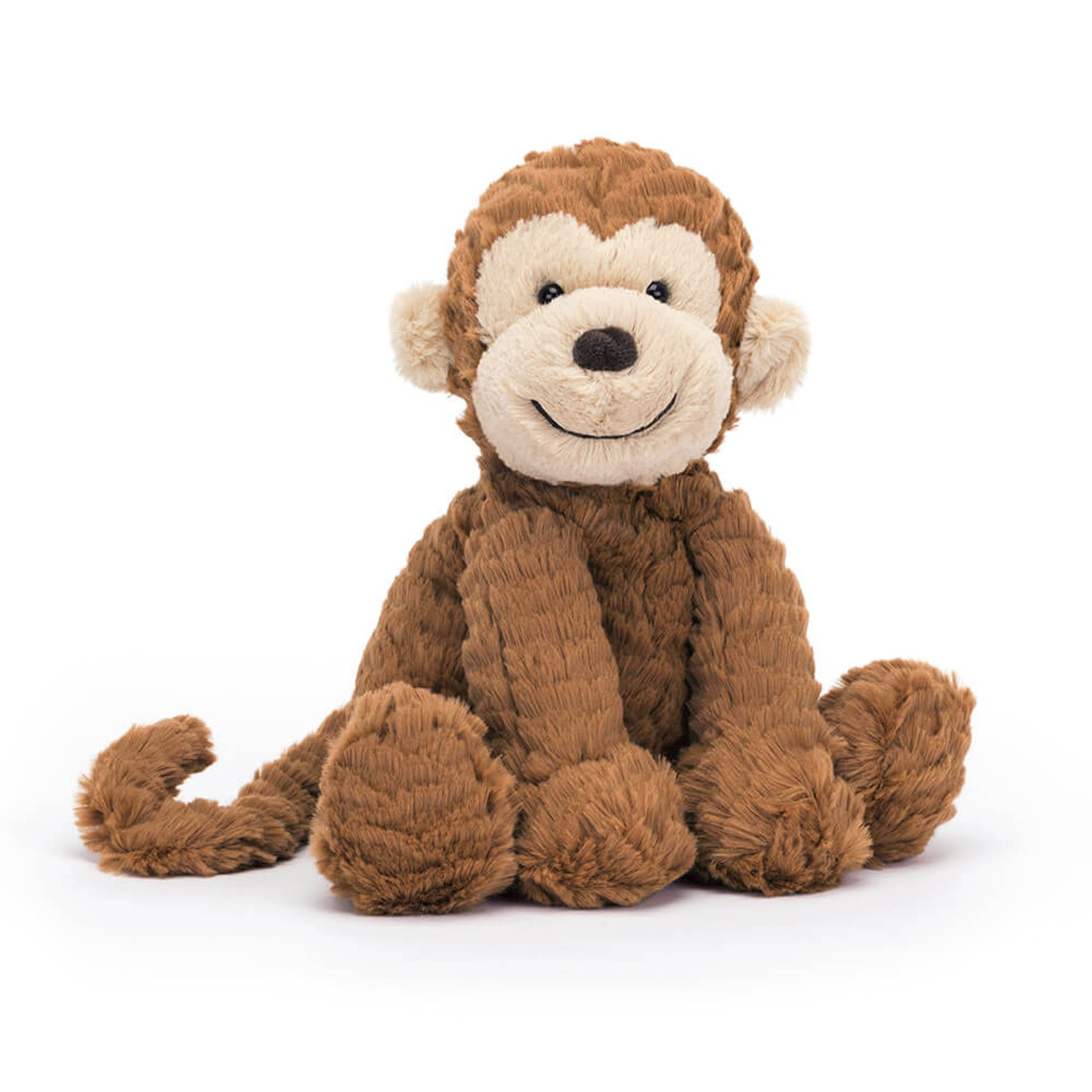
Source: Jellycat
In July 2025, following the death of a young camper in the floods at Camp Mystic in Texas, a Jellycat Fuddle Wuddle Monkey was shipped overnight to her family in Houston. The girl brought her monkey to Camp Mystic and it was lost in the flood. A cherished monkey, once owned by another child, was lovingly donated to join the girl in her final resting place.
The toy was sourced by the Lost Stuffy Project, a grassroots organization founded by New Jersey native and child life specialist, Randi Jaffe. The organization helps reunite children with comfort items lost in disasters or medical emergencies. “They’re not just toys,” Jaffe told KXAN News. “They’re part of a child’s emotional world.”
She went on to say, “I remember waking up and thinking, ‘What would I grab if my house was on fire?’ And I thought of my three-year-old’s little stuffed animal that’s irreplaceable,” Jaffe said. “It just dawned on me, ‘Oh, my God, these kids lost everything and they don’t even have any of their familiar comfort items, their lovies, their blankets, their stuffed animals that they’ve had their whole lives.’”
The process begins when a family fills out the request form for a lost comfort object, typically a beloved stuffed animal. The Lost Stuffy Project searches on shopping platforms like Target, Amazon or Walmart before posting requests online for a donation, if that item is difficult to find.
Volunteers and donors across the country scour thrift stores, online listings, and personal collections to find exact replicas of lost comfort items. The project, now supported by a growing network of child life specialists, grief counselors, and parents, has become a lifeline for families navigating trauma.
As Jaffe explains, “We unfortunately knew that there would be more opportunities for us to be involved and help families reunite with their comfort items… but we’re happy to be able to provide some sort of comfort.”
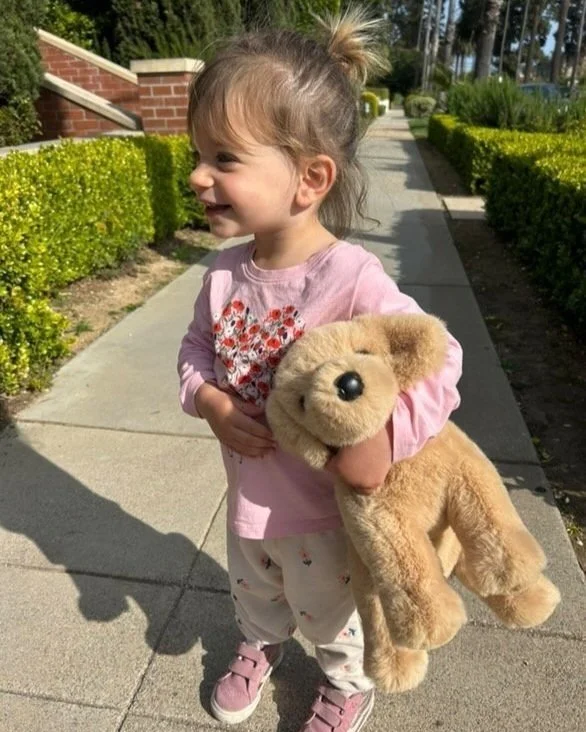
Source:LostStuffyProject
Objects of Comfort & Safety
The term “comfort object” was formalized by pediatrician and psychoanalyst D.W. Winnicott in the 1950s. He called them “transitional objects”—items that help children navigate from dependence to autonomy. These objects stand in for the caregiver, offering stability when the caregiver isn’t present.
Attachment theory, developed by John Bowlby and expanded by Mary Ainsworth, supports this framework. Children form bonds with caregivers, and comfort objects act as portable extensions of those bonds. They regulate emotion, reduce anxiety, and help children tolerate separation.

Source:LostStuffyProject
The psychological imprint of these objects is indelible. In one study, children were offered a duplicate of their favorite toy made by a “copying machine.” Most refused. Some cried. A few wouldn’t allow the original to be copied at all. Their reaction reflected a belief that the original held something irreplaceable.
Researchers Bruce Hood and Paul Bloom found that children imbue their comfort objects with a unique identity, one that cannot be replicated even by an identical copy. The findings support the idea that these items hold emotional and symbolic value far beyond their material form.
Adults aren’t exempt. A 2017 UK survey found 44% of adults admitted they sleep with teddy bears or stuffed animals, suggesting transitional objects maintain emotional significance well into adulthood.
Contemporary psychology supports this: transitional objects are now recognized as tools for emotional regulation across the lifespan. They offer continuity during grief, stress, or major life changes, and can reduce anxiety.
Neuroscientific studies have shown soft textures can trigger oxytocin release, which supports bonding and stress reduction. Occupational therapists have even begun using stuffed animals with children who have sensory processing disorders.
In therapeutic settings, clinicians often use stuffed animals to help children externalize emotions, build trust, and regulate anxiety. The toy becomes something to speak through, hold onto, or project feelings onto when words are challenging. Its presence can soften clinical environments and make abstract counseling work feel more tangible.
Comfort That Endures
The Lost Stuffy Project honors the significance of comfort objects. They reunite children with cherished companions and in each restored connection, there’s a reaffirmation of safety. These beloved items become bridges between loss and healing; proof even the simplest things can offer hope where needed most.
About The Author

Matthew DiGiandomenico
Matt worked for over a decade in the mental health field, committed to helping others through complex challenges. As a writer, he is driven by that same commitment to help others through
writing on topics including mental health and open adoption.
Matt holds a Master’s Degree in Psychology from Fairleigh Dickinson University and an Advanced Professional Writing Certificate from the University of Pennsylvania. He lives in Philadelphia with his husband and 2 young kids.




reader's monthly pick


subscribe to newsletter
Sign up for The DivsFeed newsletter to get heartwarming stories in your inbox every month.